Albanian Culture
Ancient Heritage and Living Traditions
Albanian culture is a vivid tapestry woven from centuries of unique history, geographic diversity, and artistic achievement. Albania’s cultural landscape reflects its distinctive position as a bridge between East and West, where ancient civilizations left their mark and diverse cultural influences created a national identity that survives and thrives today. This extraordinary heritage encompasses UNESCO World Heritage Sites, enduring living traditions, vibrant festivals, and immersive cultural experiences in Albania that offer rare insights into one of Europe’s most fascinating and resilient societies.
Visitors interested in history will also find some of the top historical sites to visit in Albania, such as the ancient city of Butrint, the Ottoman town of Gjirokastër, and the medieval Berat Castle, each offering a window into the country’s remarkable past.
UNESCO World Heritage Sites: Windows to the Past
Albania’s four UNESCO World Heritage Sites are essential to understanding both Albanian culture and Albanian heritage. These preserved sites exhibit the country’s remarkable historical significance and architectural achievement across multiple civilizations and time periods. For those seeking authentic cultural experiences in Albania, these sites provide an exceptional record of the nation’s complex journey.
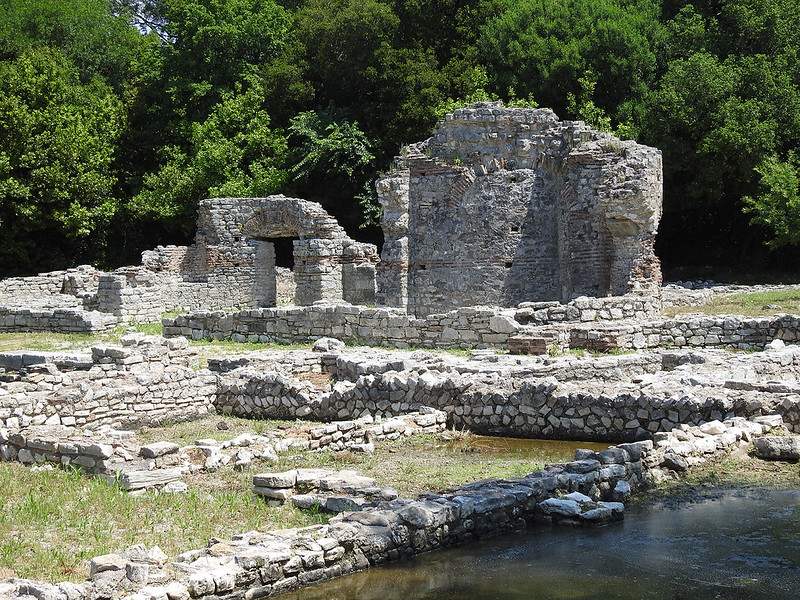
Butrint stands as one of Europe’s most significant archaeological sites, recognized as a UNESCO World Heritage Sites in Albania, where Greek, Roman, Byzantine, and Venetian civilizations built upon each other’s achievements for more than 2,500 years. The well-preserved theater, baptistery, and defensive walls narrate tales of commerce, power, and daily life in a fabled trading city. Ongoing archaeological discoveries continue to enrich Albania’s story and offer engaging cultural experiences in Albania for every visitor.
The Historic Centres of Berat and Gjirokastër showcase the best of Ottoman-era urban architecture. Berat, the “City of a Thousand Windows,” stuns with white houses cascading in harmony down hillsides, while its Onufri Museum contains Albania’s most important collection of religious art, including works that influenced Orthodox aesthetics across the Balkans. Gjirokastër, known as the “Stone City,” features dramatic castles and traditional houses with slate roofs. Its ethnographic museum—housed in the birthplace of former dictator Enver Hoxha—provides crucial insights into family life, crafts, and evolving Albanian traditions. The five-yearly National Folklore Festival transforms Gjirokastër into a living centre of Albanian culture, music, and dance.
Traditional Festivals and Living Culture
Albanian festivals and cultural celebrations forge strong connections to the country’s pre-Christian past while embracing Christianity, Islam, and evolving secular traditions. These events are living proof of how Albanian culture adapts yet endures—offering visitors a chance to participate in passionate music, energetic dance, shared meals, and genuine community bonds. Experiencing these gatherings is at the heart of meaningful cultural experiences in Albania.
Summer Day (Dita e Verës), marked each March 14th, heralds the traditional Albanian New Year and celebrates spring’s arrival. Families prepare beloved sweets, children craft red-and-white-thread bracelets for luck, and communities organize folk dancing that continues deep into the night. These rituals, older than Christianity or Islam in Albania, remain central expressions of Albanian traditions and signal the deep-rooted joy and unity of Albanian culture.
The National Folklore Festival of Gjirokastër, attracting performers from across Albania and the diaspora, is an international celebration of polyphonic singing, epic poetry, and handmade costumes. From the south’s haunting melodies to the north’s heroic ballads, this gathering is both spectacle and living archive. Religious harmony is also a hallmark of Albanian culture, as Muslim, Orthodox, and Catholic festivities often overlap, blending traditions and culinary delights in a spirit of peaceful coexistence. The Feast of Saint Blaise, Bajram, and Orthodox Easter are celebrated throughout Albania’s diverse communities and are important markers of Albanian heritage.
Museums and Cultural Sites Beyond UNESCO
The country’s cultural landscape extends far beyond its UNESCO locations. Museums, archaeological sites, and cultural centers offer deeper dives into the complexities of Albanian heritage and artistry. These institutions not only preserve but also actively present Albanian traditions, supporting research and education while inviting visitor participation.
Tirana’s National History Museum stands as a central repository of Albanian culture, from prehistoric relics to the modern age. Its renowned mosaic, “The Albanians,” serves as a symbol of national resilience and communal achievement. The innovative Bunk’Art museums, situated within dramatic Cold War bunkers, use immersive installations to document recent history—examining life under repression but also the ongoing renaissance of Albanian artistic expression.
Ethnographic museums across the country—especially in Kruja’s restored Ottoman manor—offer windows into regional costumes, crafts, and rural life. Here, one encounters Albanian traditions firsthand: woodcarving, embroidery, stonework, and culinary customs—each deeply intertwined with the rhythms of the land and the values of hospitality.
Exploring the Depth of Albanian Culture
At the core of Albanian culture is a rich legacy of artistic, musical, and craft traditions. The polyphonic singing of southern Albania, recognized by UNESCO as an Intangible Cultural Heritage of Humanity, is performed without instruments, weaving complex harmonies that echo tales of love, loss, and heroism. Traditional crafts like woodcarving, textile production, metalwork, and stone masonry shaped the distinct architecture and art whose legacy endures today.
Modern Albanian artists, musicians, and artisans continue to advance this heritage, adapting classic methods to contemporary tastes and global audiences. Visitors can purchase authentic Albanian-made pieces, join masterclasses with local crafters, or attend seasonal exhibitions and community celebrations. The famed Albanian hospitality, protected by the ancient code of Besa, ensures every cultural encounter—whether brief or extended—blossoms into a true exchange.
In conclusion, Albanian culture is a living bridge between ancient heritage and present-day creativity—a wellspring of inspiration for both locals and travelers. Whether you experience it while exploring UNESCO marvels, wandering among the ancient ruins in Albania, joining local festivals, or immersing yourself in a family workshop, Albanian culture provides some of the richest cultural experiences in Albania and the Balkans as a whole. As Albania continues to open up, its traditions endure and evolve—inviting every new visitor to discover, celebrate, and contribute to the ongoing story of Albanian heritage and cultural vitality.