
Albanian Food
A Journey Through Flavor and Tradition
Albanian food represents one of Europe's most authentic and underappreciated culinary traditions, combining Mediterranean freshness with Balkan heartiness and incorporating influences from Greek, Italian, Turkish, and Slavic cooking traditions to create a distinctive gastronomic identity that reflects the country's position at the crossroads of civilizations. From family-run taverns serving recipes passed down through generations to innovative restaurants interpreting traditional dishes with contemporary techniques, Albania's culinary scene offers exceptional experiences at remarkable value, making Albanian food a true discovery for culinary enthusiasts.
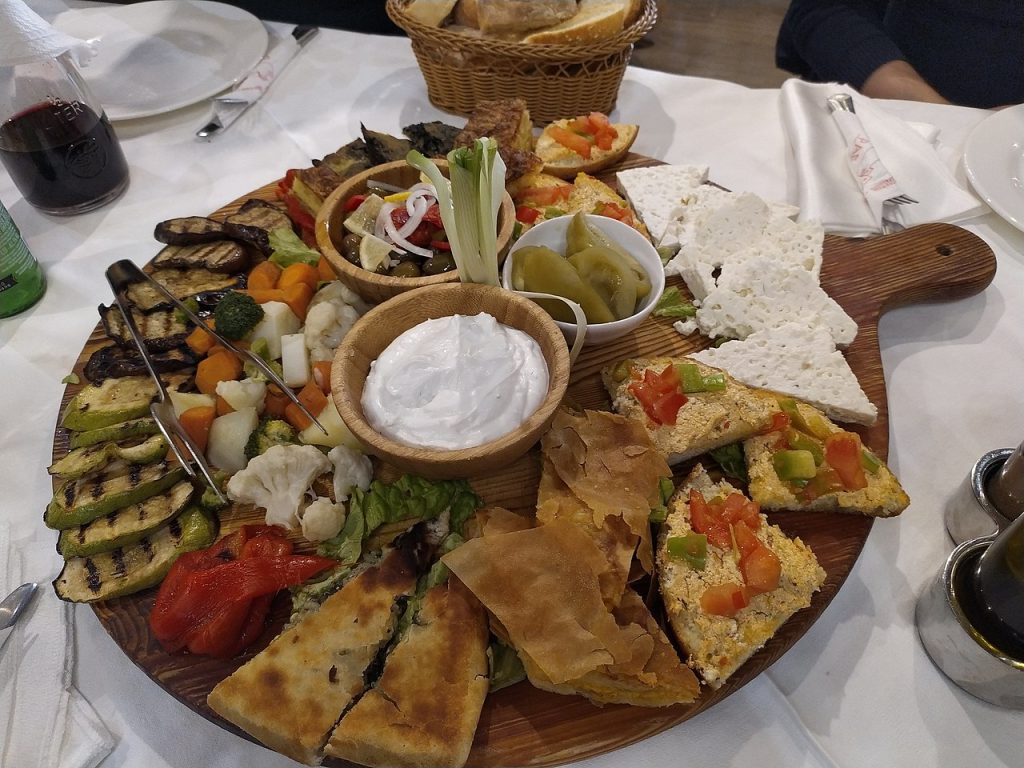
Traditional Albanian Cuisine: The Foundation of Flavor
The foundation of Albanian cuisine lies in the use of fresh, locally-sourced ingredients prepared according to traditional methods that emphasize natural flavors and seasonal availability. This approach to cooking, developed over centuries of agricultural life in diverse microclimates, creates dishes that showcase the exceptional quality of Albanian produce, dairy products, and livestock while reflecting the ingenuity and creativity of Albanian cooks working with available resources to create memorable Albanian food experiences.
Traditional Albanian dishes like Tavë Kosi, the national dish of baked lamb with yogurt and rice, exemplify the comfort food philosophy that characterizes Albanian home cooking. This beloved dish combines tender lamb with creamy yogurt and perfectly cooked rice, creating a harmony of textures and flavors that represents the essence of Albanian hospitality and family dining traditions. Every bite of this classic Albanian food tells a story of generations of culinary expertise passed down through Albanian families.
Fërgesë, a summer vegetable stew featuring peppers, tomatoes, onions, and local cheese, demonstrates Albanian cuisine’s ability to transform simple ingredients into complex, satisfying dishes through careful cooking techniques and perfect seasoning. Regional variations of Fërgesë reflect local preferences and available ingredients, with coastal versions incorporating seafood and mountain versions featuring different types of cheese and preserved vegetables, showcasing how Albanian food adapts to local terroir while maintaining its distinctive character.
Byrek, the beloved savory pastry with various fillings including cheese, spinach, meat, or seasonal vegetables, represents Albanian baking traditions that combine Turkish pastry techniques with local ingredients and flavor preferences. The preparation of byrek requires skill and patience, as the dough must be rolled paper-thin and layered carefully to create the characteristic flaky texture that makes this dish a favorite throughout Albania and Albanian communities worldwide, establishing it as one of the most recognizable forms of Albanian food.
Regional Culinary Specialties and Local Variations
Albania’s diverse geography and complex cultural history have created distinct regional culinary traditions that reflect local ingredients, cultural influences, and historical connections with neighboring regions. Understanding these regional differences enhances appreciation for Albanian food complexity while providing travelers with reasons to explore different parts of the country for unique culinary experiences that showcase the incredible diversity found within Albanian cuisine.
The coastal regions, influenced by Italian and Greek culinary traditions, emphasize fresh seafood, olive oil, and Mediterranean vegetables in dishes that celebrate the bounty of the Adriatic and Ionian Seas. Restaurants along the Albanian Riviera serve grilled fish, seafood risotto, and fresh shellfish dishes that rival those found in more famous Mediterranean destinations while maintaining distinctively Albanian preparation methods and flavor combinations that make coastal Albanian food a unique culinary adventure.
Mountain regions feature hearty stews, preserved meats, and dairy products that reflect the practical needs of agricultural communities and the seasonal availability of ingredients in harsh mountain climates. Traditional dishes like Flija, a multi-layered crepe-like preparation cooked over open fires, require special equipment and techniques that have been preserved in mountain communities where traditional cooking methods continue alongside modern conveniences, ensuring authentic Albanian food traditions survive unchanged.
The city of Korça, known throughout Albania for its culinary excellence, offers unique local specialties including renowned beer and traditional sweets that are found nowhere else in the country. Local restaurants serve regional dishes that incorporate influences from neighboring countries while maintaining distinctively Albanian character and preparation methods, making Korça a must-visit destination for anyone serious about exploring authentic Albanian food culture.
Southern Albania, with its proximity to Greece, features dishes that share ingredients and techniques with Greek cuisine while maintaining unique Albanian characteristics in seasoning, preparation methods, and presentation. The region’s emphasis on lamb, goat, and wild game reflects both geographical realities and cultural preferences that distinguish Albanian versions of shared dishes from their Greek counterparts, creating a distinctive southern Albanian food identity.
Contemporary Dining Experiences and Restaurant Culture
Albania’s restaurant scene has evolved rapidly in recent years, with establishments ranging from traditional family taverns that have served the same recipes for generations to innovative restaurants that interpret Albanian culinary traditions through contemporary techniques and international influences. This diversity provides dining experiences that cater to every preference and budget while maintaining the warmth and hospitality that characterizes Albanian service culture and makes every Albanian food experience memorable.
Urban restaurants in Tirana and other major cities offer sophisticated dining experiences that showcase both traditional Albanian cuisine and international influences, with professional service, carefully curated wine lists, and innovative presentations that demonstrate Albania’s growing sophistication in restaurant culture. Many establishments feature outdoor seating that takes advantage of Albania’s favorable climate while providing atmospheric settings for enjoying both food and Albanian social traditions, creating the perfect environment for discovering contemporary Albanian food.
Coastal restaurants specialize in fresh seafood prepared with traditional Albanian techniques and contemporary presentations, often featuring outdoor terraces with spectacular sea views that enhance dining experiences with natural beauty and Mediterranean atmosphere. These establishments typically offer extensive wine lists featuring both Albanian and international selections, allowing guests to pair meals with appropriate beverages while exploring Albania’s growing wine culture and the perfect accompaniments to seafood-focused Albanian food.
Mountain restaurants, often associated with guesthouses and rural tourism operations, provide authentic farm-to-table experiences featuring ingredients grown on-site or sourced from neighboring farms. These establishments offer unique opportunities to experience traditional Albanian hospitality while enjoying meals prepared according to family recipes and traditional cooking methods that are difficult to replicate in urban settings, providing the most authentic possible Albanian food experiences.
Traditional taverns and family-run restaurants throughout Albania continue to serve authentic regional specialties in atmospheric settings that preserve the social aspects of Albanian dining culture. These establishments often feature extended family involvement in cooking and service, creating personal connections between guests and hosts that exemplify Albanian hospitality traditions while ensuring authentic culinary experiences that represent the true spirit of Albanian food.
Beverages, Wine Culture, and Albanian Drinking Traditions
Albania’s beverage culture encompasses traditional and contemporary elements that complement the country’s culinary offerings while reflecting both historical traditions and modern developments in wine and spirits production. Understanding Albanian drinking customs enhances dining experiences while providing insights into social traditions that remain important in contemporary Albanian culture and are integral to the complete Albanian food experience.
Albanian wine production, with roots extending back to ancient times, has experienced remarkable renaissance in recent years with modern winemaking techniques applied to indigenous grape varieties that create distinctive wines unavailable elsewhere in the world. Wine regions like Berat and Korça produce excellent wines that pair beautifully with traditional Albanian cuisine while offering visitors opportunities to explore beautiful wine country landscapes and learn about ancient winemaking traditions that complement and enhance every Albanian food experience.
Raki, the traditional Albanian brandy, holds special significance in Albanian culture as a symbol of hospitality and friendship, often offered to guests as a welcoming gesture and consumed during important social occasions. Quality raki production requires skill and tradition, with the best examples featuring complex flavors that reflect the fruits or herbs used in distillation and the expertise of traditional distillers who maintain family production methods, making raki an essential component of authentic Albanian food culture.
Albanian beer culture includes both traditional local breweries and contemporary craft beer production that creates excellent accompaniments to Albanian cuisine while supporting local agricultural production. The famous Korça brewery produces Albania’s most renowned beer, while newer craft breweries experiment with local ingredients and international brewing techniques to create innovative beverages that appeal to contemporary tastes and provide perfect pairings for various types of Albanian food.
Coffee culture in Albania reflects both Turkish and Italian influences, with traditional Turkish coffee preparation and contemporary espresso culture coexisting in cafes and restaurants throughout the country. Understanding Albanian coffee customs, including the social aspects of coffee consumption and the quality standards expected in coffee preparation, enhances appreciation for this important aspect of Albanian social life and hospitality traditions that often conclude memorable Albanian food experiences.