Divjakë Beach: Albania's Sandy Adriatic Shore Inside a National Park
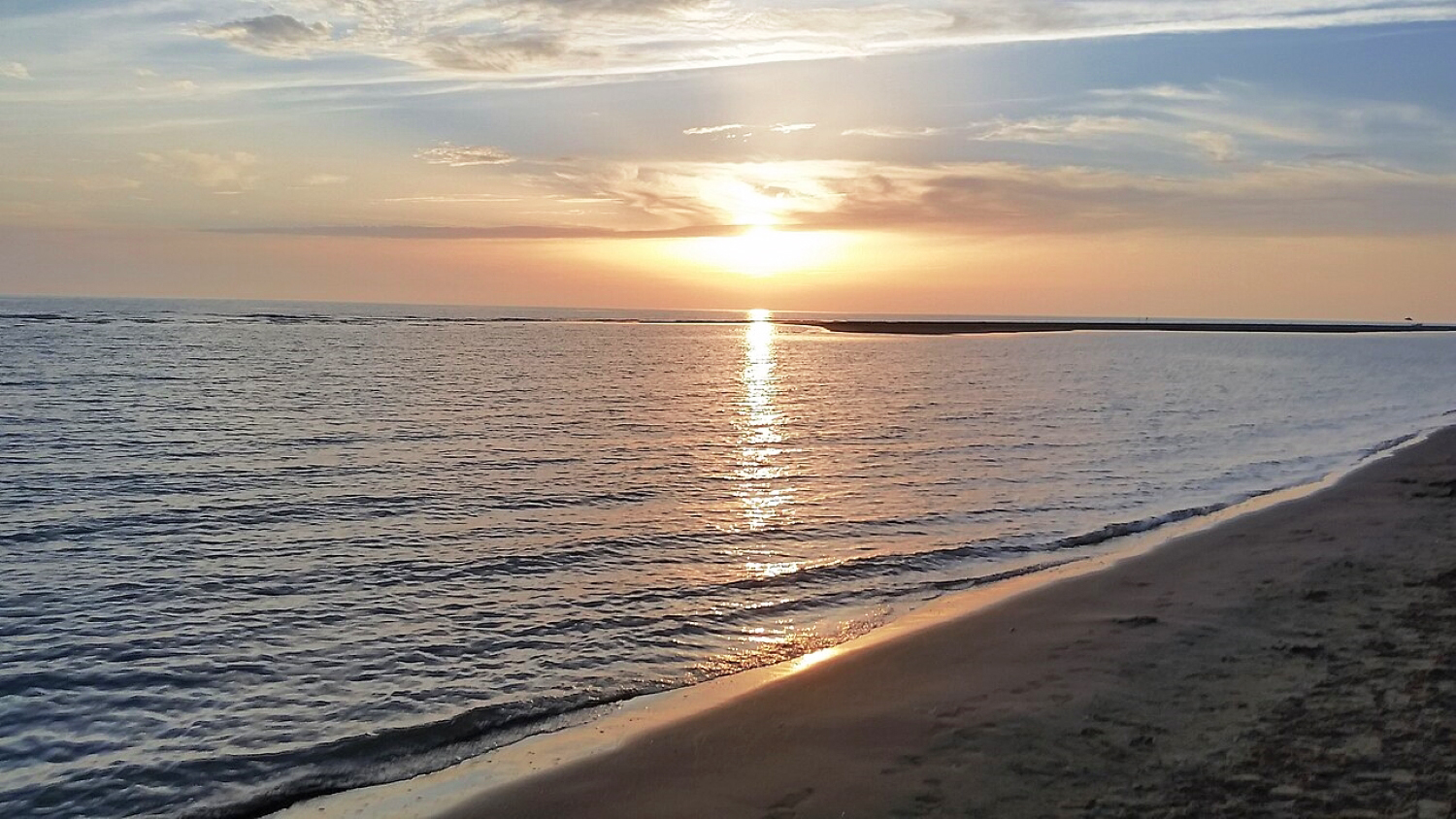
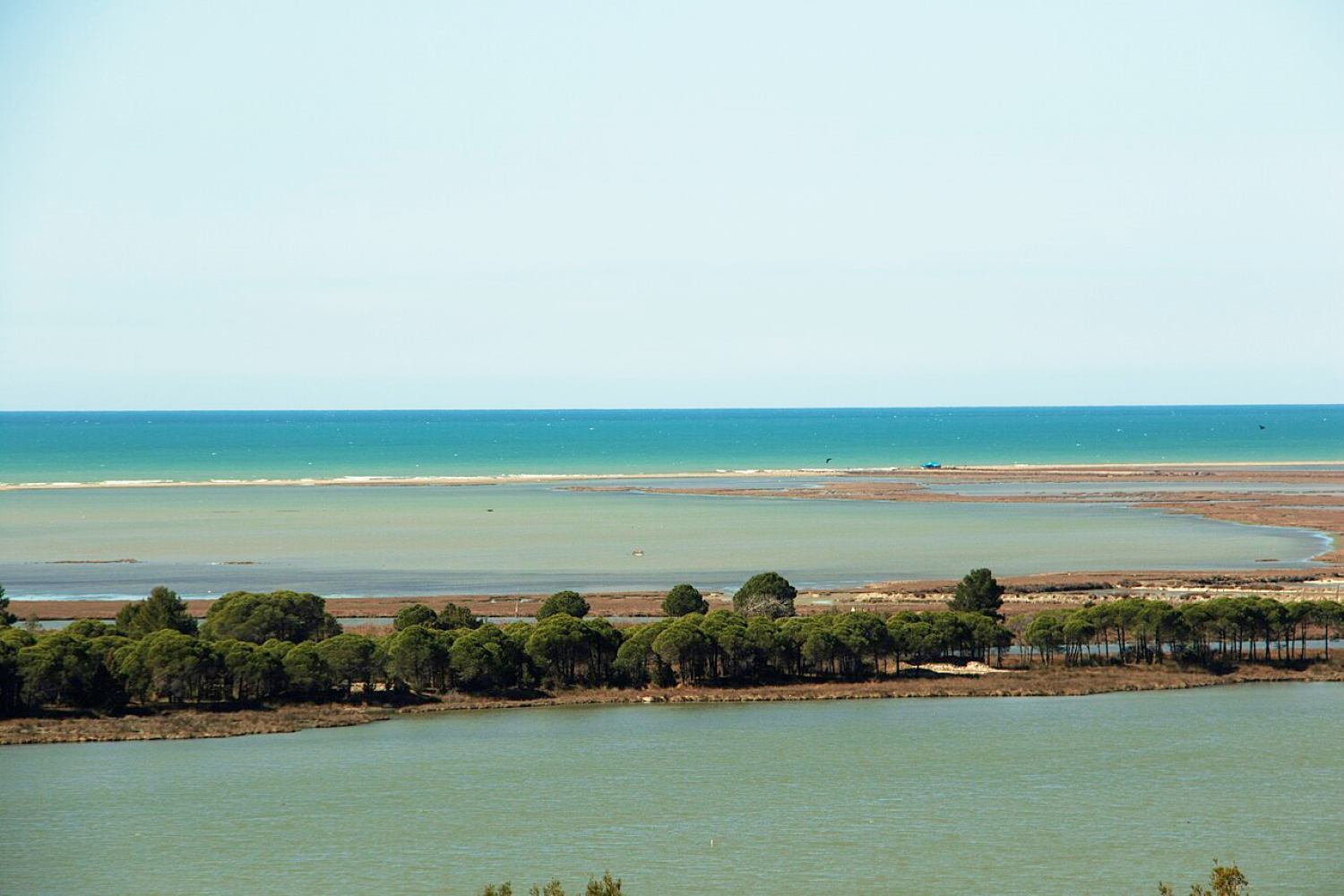
Divjakë Beach runs along the western edge of the Divjakë-Karavasta National Park, facing the Adriatic Sea on Albania's central coast. It sits approximately 60 km south of Durrës and is one of the very few sandy beaches in Albania that is also inside a formally protected natural area. The national park covers over 22,000 hectares of coastline, lagoon, and the only natural coastal pine forest in the country. The beach itself is wide, flat, and sandy throughout. This is not the turquoise Ionian of the south — the Adriatic here is shallower and more opaque — but the combination of a long sandy shore, pine forest backdrop, lagoon wildlife, and genuine national park infrastructure makes Divjakë a genuinely different kind of Albanian beach day.
← Back to Beaches in AlbaniaWhat Makes Divjakë Beach Special
The thing that separates Divjakë from every other beach in Albania is the pine forest. A natural coastal pine forest backs the entire beach length — the only one of its kind in the country. Walking from the beach into shade takes seconds. On a 35°C July afternoon, that matters enormously. The park has been listed on the Ramsar Convention as a wetland of international importance, and the Karavasta Lagoon directly behind the forest hosts the largest colony of Dalmatian pelicans in the western Balkans, with 230 to 280 breeding pairs counted in recent surveys.
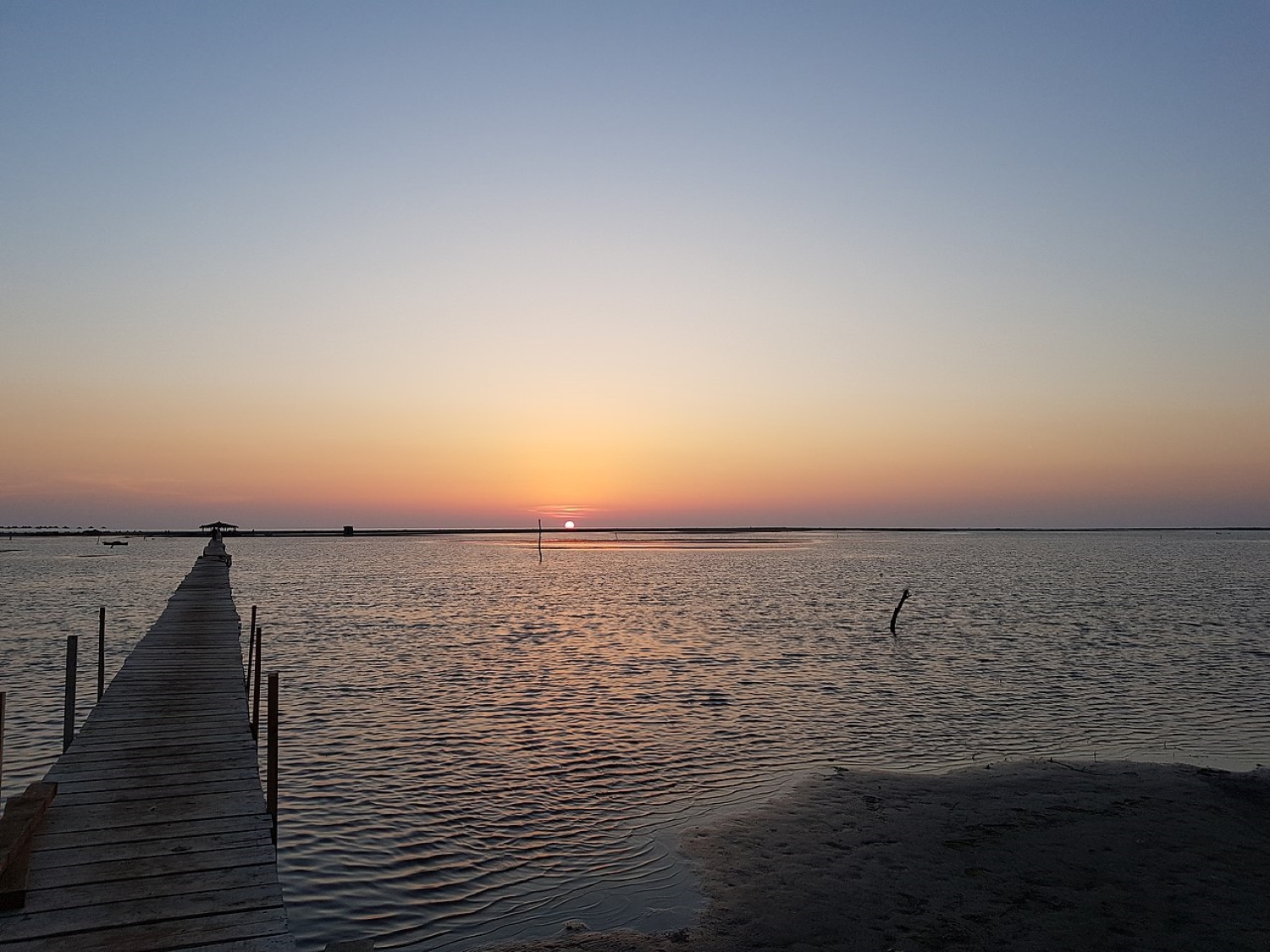
This means Divjakë is genuinely dual-purpose in a way that most Albanian beaches are not. You can spend the morning on the sandy beach swimming with your family, walk through the pine forest in the afternoon, and end the day watching pelicans on the lagoon from a wooden viewing platform. The 36-metre lookout tower inside the park offers a 360-degree view of forest, lagoon, and sea — entry is 100 lek at the visitor centre.
Sand, Pebble or Rocky?
Divjakë is a sand beach throughout — fine, golden sand on both the dry shore and in the water. This makes it unusual on the Albanian coast where pebble and gravel dominate. The flat, sandy entry and absence of rocks make barefoot walking comfortable and water entry easy for young children. No water shoes needed.
Water Depth and Clarity
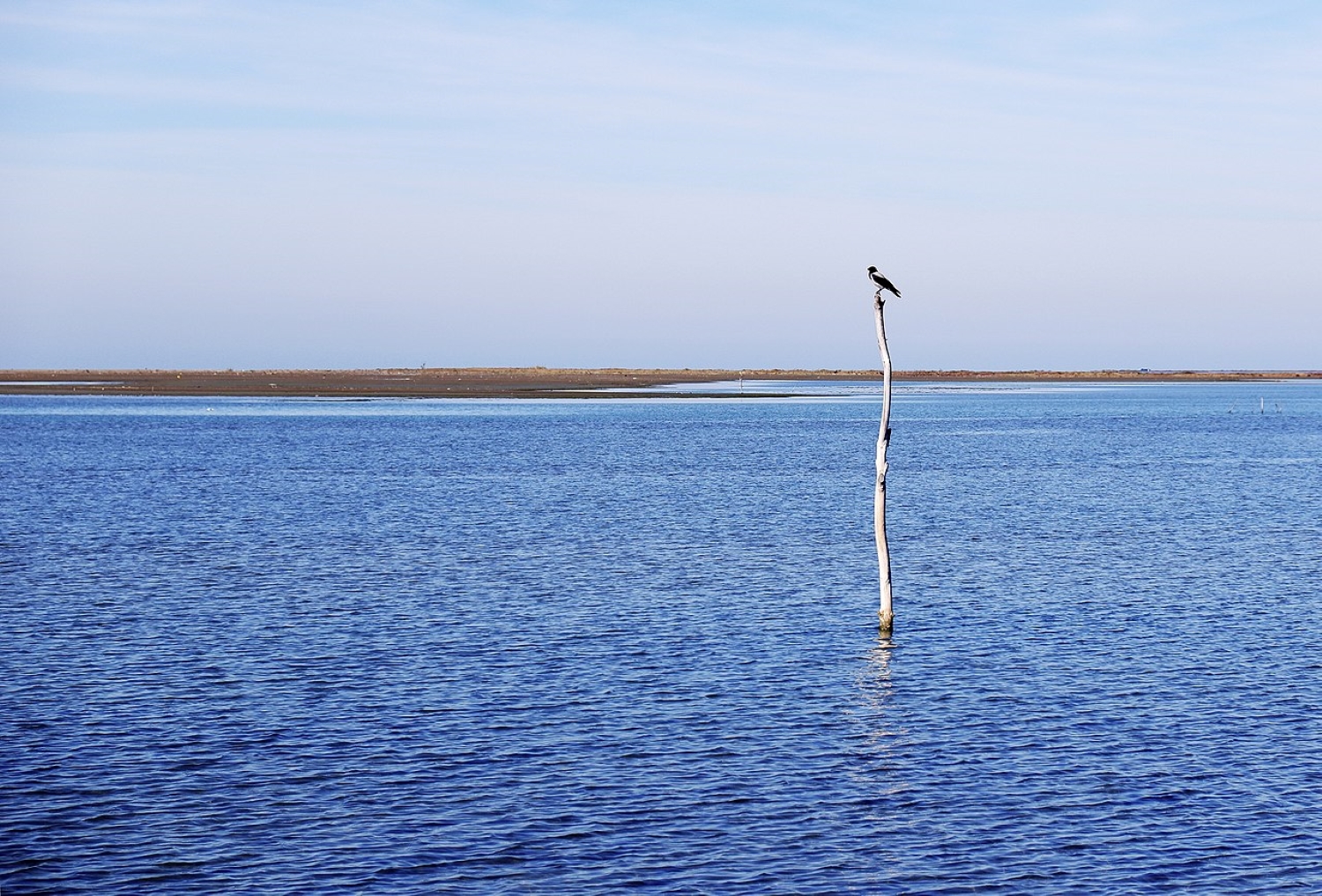
The Adriatic at Divjakë is genuinely shallow. To reach a depth of two metres, you need to swim a considerable distance from shore. The water temperature in summer runs warm — the shallow profile means it heats up faster than deeper Ionian beaches. Clarity is moderate; the fine sand in suspension reduces visibility compared to the pebble-floored Ionian beaches further south. Expect to see roughly one to two metres through the water rather than the five-plus metres you get at Gjipe or Dhërmi.
Is It Safe for Swimming?
Yes, Divjakë is one of the safest swimming beaches in Albania for families with young children. The shallow, sandy entry, gentle Adriatic waves, and the absence of rocks or sudden depth changes make it well-suited to non-confident swimmers and children. There are no official lifeguards at the public beach sections. The water at Divjakë has received periodic EU Blue Flag status, reflecting water quality management standards.
How to Get to Divjakë Beach
By Car
From Tirana: A2 motorway south toward Fier, then west toward Rrogozhinë (~110 km, 90 min–2 hr). From Durrës: SH1 south toward Divjakë (~60 km, ~1 hr). Large free car park near the visitor centre and beach.
By Bus
From Fier, regular local buses run to Divjakë town; the beach is a short taxi ride or 4 km walk west. From Tirana, reach Fier first and connect from there (~2–3 hr total journey).
Lagoon Boat Tours
Guided boat tours through the Karavasta Lagoon operate from the park's jetty — ~45 min, approximately 5 EUR per person on a guided group tour or 28 EUR for a private boat.
Cycling
The flat terrain between the lagoon and the sea is well-suited to cycling. The park has a maintained network of flat, shaded walking and cycling trails from the visitor centre to the beach (20–30 min).
Best Time to Visit Divjakë Beach
June and September offer the best conditions: warm sea, open facilities, low to moderate crowds, and the lagoon wildlife at an active and photogenic point of the season. July and August are peak months with the beach at its fullest — Albanian families drive from Tirana, Fier, and Durrës for the day. The beach absorbs crowds reasonably well due to its length and width, and the pine forest shade stops it from feeling as exposed as open coastal strips.
May is good for birdwatching — the Dalmatian pelicans are nesting in the lagoon through spring. October to April: the beach is near-empty, the park is fully open, and the forest and lagoon have their own quiet appeal.
Amenities and Facilities
Sunbeds & Umbrellas
Sunbed and umbrella rental available at several points along the beach in peak season. Prices are lower than the Ionian Riviera beaches. Some informal operations exist on the beach itself; more organised rental sits near the park accommodation cluster.
Bars & Restaurants
Several cafes and beach bars operate along the beach access road and near the shore in summer. Fresh fish from the lagoon is the local speciality — grilled or fried with Albanian bread at straightforward prices.
Parking
Free parking near the park visitor centre and beach access point. The lot is large and informal; spaces are generally available even in peak season.
Toilets & Showers
Basic toilet and shower facilities are available near the park visitor centre. Limited standalone toilet infrastructure outside the restaurant and bar cluster.
Crowd Levels and Atmosphere
Divjakë draws a primarily Albanian crowd — day-trippers from Tirana, Durrës, and Fier who come for the sand rather than the Ionian cove experience. The atmosphere is family-oriented and relaxed. Vendors sell roasted corn and simple snacks along the beach road in summer. The pine forest gives the whole area a different sensory quality from the open coastal beaches further south — cooler, fragrant, and quieter away from the organised section. Serious birdwatchers and nature researchers appear throughout the year; in peak summer they share the park with beach families, and both coexist without friction.
Things to Do at Divjakë Beach
Swimming and Sunbathing
The wide, sandy beach is straightforward for a conventional beach day. The flat entry and shallow water work especially well for families with young children.
Pine Forest Walking
Marked trails run through the forest between the lagoon and the sea. The shaded paths are particularly welcome in July and August heat. Allow 45 minutes to an hour for a loop.
Lookout Tower
The 36-metre tower inside the park gives a panoramic view of forest, lagoon, and sea. Entry is 100 lek (~1 EUR) at the visitor centre.
Karavasta Lagoon Boat Tours
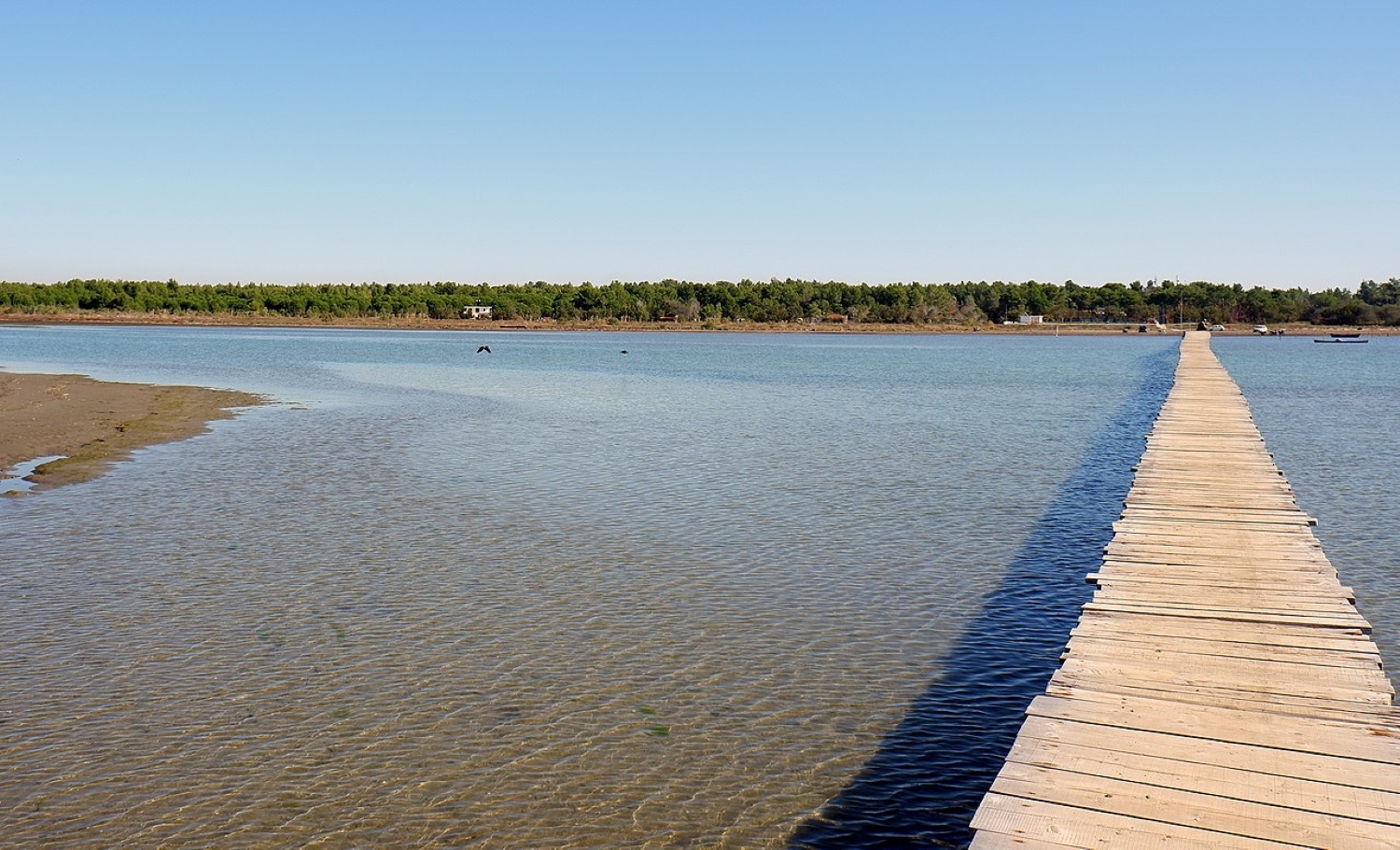
A guided or independent boat trip through the lagoon is the highlight of the park for wildlife enthusiasts. Dalmatian pelicans, cormorants, herons, and other species are visible on the water.
Birdwatching
With 230–280 breeding pairs of Dalmatian pelicans plus numerous other wetland species, the park is one of the most significant birdwatching sites in the Western Balkans.
Cycling
The flat terrain, forest tracks, and lagoon perimeter roads make this one of the most cycle-friendly destinations in Albania. Bike hire is available near the visitor centre.
Divjakë Beach and National Park in Photos
Where to Stay Near Divjakë Beach
For accommodation options near Divjakë Beach — including guesthouses, park-adjacent stays, and properties in Divjakë town — browse the full listings below.
Find Your Stay Near Divjakë Beach
Park-adjacent properties and guesthouses in Divjakë town — browse handpicked accommodation and book instantly. No hidden fees.
Local Tips and Insider Advice
Nearby Beaches and Day Trips
Karavasta Lagoon Boat Tour
Accessible from within the park, 45 to 60 minutes on the water — the wildlife highlight of any visit to Divjakë.
Durrës City Beach
60 km north — an urban Adriatic beach with Roman ruins, the Archaeological Museum, and the largest amphitheatre in the Balkans nearby.
Golem Beach
Further north along the Adriatic — Albania's longest developed sandy strip with full resort infrastructure.
Golem guideFier & Apollonia Ruins
25 km east — one of the best preserved ancient Greek archaeological sites in Albania, worth a half-day.
Frequently Asked Questions
Beach access is free. The national park visitor centre charges 100 lek (~1 EUR) for entry to the tower and main park facilities. Boat tours on the lagoon are charged separately at approximately 28 EUR for a private boat.
Yes — it is one of the best family beaches in Albania. The fine sand, shallow water, flat entry, and absence of rocks make it ideal for young children. The pine forest provides natural shade close to the beach.
June and September for the beach experience with manageable crowds. April and May for birdwatching, when the Dalmatian pelican colony is at peak nesting activity.
Approximately 110 km, taking 90 minutes to two hours by car. From Durrës it is around 60 km and approximately one hour.
Yes — free parking near the visitor centre and beach access. The lot is large and informal; spaces are generally available even in peak season.
Camping within the national park is subject to park regulations. Wild camping on the beach or in the forest is not permitted in a Ramsar-listed protected area. Ask at the visitor centre for the current rules. Hotel Pelikan and Divjaka Resort both offer lodging adjacent to the park.