If you love big mountains, quiet trails, and that wonderful feeling of “wait… why is this place not world‑famous yet?”, then hiking in Albania will feel like you’ve found a secret level in Europe. Albania is becoming one of the top Balkan hiking routes, thanks to its mix of alpine scenery, coastal paths, and authentic mountain villages.
From the dramatic Albanian Alps in the north to coastal hikes in Albania above the turquoise Ionian Sea in the south, Albania has everything: multi‑day hiking in Albania, easy riverside walks, wild ridge hikes, and village‑to‑village routes where you still share the path with shepherds and their flocks.
This guide will walk you through:
- The best hiking regions in Albania
- Famous trails like Valbona–Theth
- How Albania compares to other European hiking destinations
- Options for beginners, intermediate and expert hikers
- Hidden routes, culture, wildlife, safety, packing, budgets and more
Albania attracts everyone from beginners looking for easy hikes in Albania to experienced trekkers seeking long-distance trails, guided hikes, camping and hiking in Albania, and raw, scenic adventures far from crowded European resorts.
Lace up your Boots!
Why Albania is a Hidden Paradise for Hiking
Albania still flies under the radar for many travellers, and that is exactly what makes it special for family hiking in Albania, backpackers, and seasoned trekkers.
Here’s why it feels like a hidden paradise:
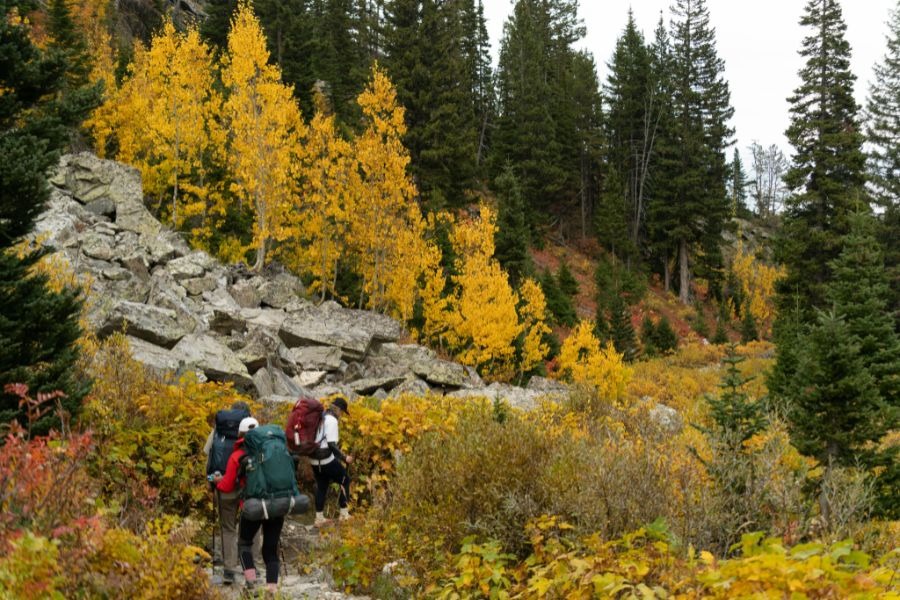
- Wild landscapes, low crowds: In the Albanian Alps hiking region, you can walk all day and only meet a handful of people, especially outside the peak hiking season in Albania like summer weeks.
- Huge variety in a small country: Snow‑capped peaks, deep canyons, high plateaus, gentle hills, lakes, rivers and sea cliffs all fit inside a country roughly the size of Belgium.
- Real village life: You are not hiking through polished resort towns. You pass stone houses, kitchen gardens, grazing animals and locals who still live from the land.
- Affordable adventure: Guesthouses, food and local transport are usually much cheaper than in Western Europe, making hiking holidays in Albania ideal for budget-minded travellers.
- Growing but not overdeveloped: Places like Valbona and Theth now have good guesthouses and cafés, but there are still unpaved roads, simple shops and a wild feeling.
If you are searching for scenic hikes in Albania, untouched alpine scenery, or hidden hiking spots, Albania offers some of the most rewarding off-the-radar trails in Europe.
Best Hiking Regions in Albania
Albania has many hiking areas, but these regions are the true stars. Think of them as your main “map” when planning hiking trips in Albania or researching the best hiking trails in Albania.
North Albania (Accursed Mountains)
The Accursed Mountains (also called the Albanian Alps) sit in the far north of the country and spill over into Montenegro and Kosovo. This is Albania’s most dramatic hiking and trekking region: steep peaks, narrow valleys, rivers, thick forests, and remote villages.
Highlights:
- Spectacular views from high passes like Valbona Pass
- Classic village‑to‑village routes between Valbona and Theth
- Authentic guesthouse stays with home‑cooked food
- A feeling of isolation – there are only a few roads in and out
This region is the heart of Albanian Alps hiking, attracting trekkers who want raw landscapes and one of the most famous Balkan routes: the Valbona to Theth hike.
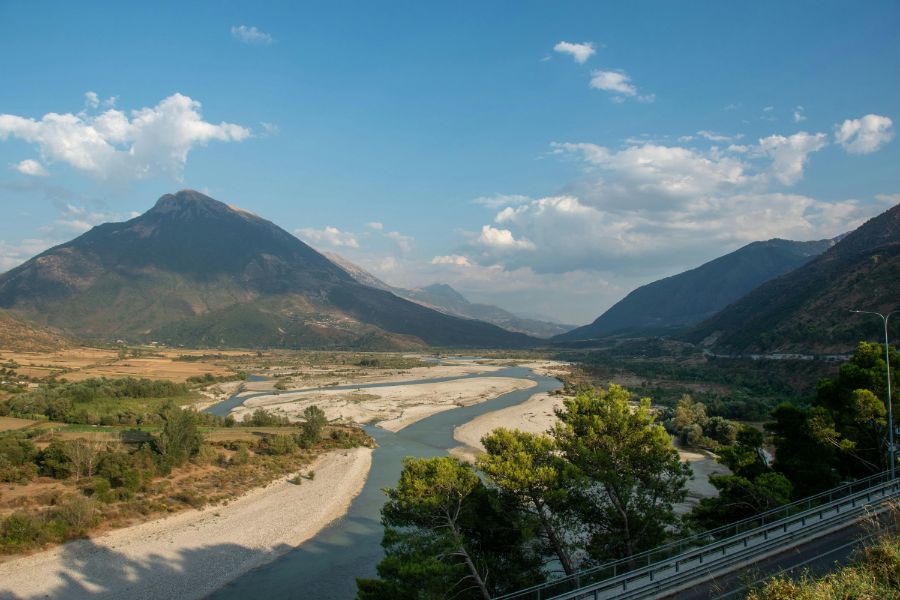
Albanian Alps
Often used as another name for the Accursed Mountains, the Albanian Alps describe the broader high mountain area in the north. For SEO, it is worth using both names in your content because people search for both.
When travellers say “I want to hike the Albanian Alps”, they usually mean:
- Staying in Shkodra as a base
- Travelling via Koman Lake and Fierza up to Valbona
- Hiking from Valbona to Theth
- Exploring Theth’s waterfalls, churches and springs
This region is ideal for multi-day hiking in Albania, photography, guided treks, and scenic routes for both beginners and intermediate hikers.
Valbona
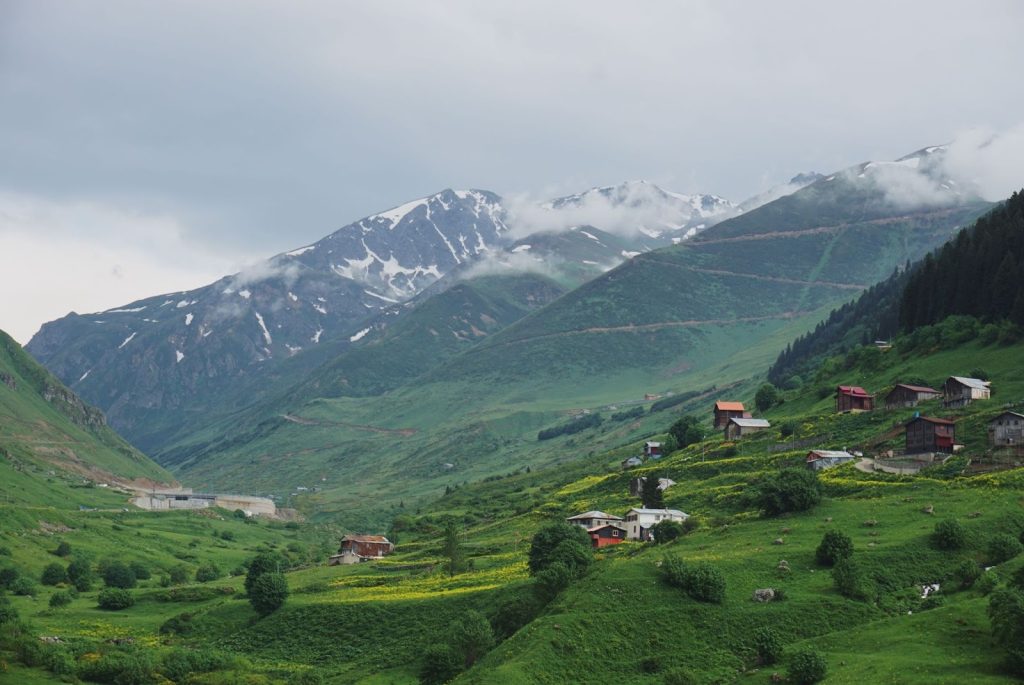
Valbona Valley National Park is a long, beautiful valley surrounded by towering peaks. It feels quieter and less developed than Theth.
Why hikers love Valbona:
- Wide open valley views
- Trailheads for routes towards Maja e Rosit, border saddles and hidden ridges
- Fewer crowds once you move away from the main village
- Guesthouses where you eat whatever the family cooked that day (always a good surprise)
Valbona is a perfect base for:
- A full day hike to a border pass or peak
- A warm‑up hike in Kukaj Valley
- Starting (or finishing) the Valbona–Theth trek
Valbona is one of the most searched areas for accommodation for hikers in Albania, guided hikes, and immersive backpacking in Albania.
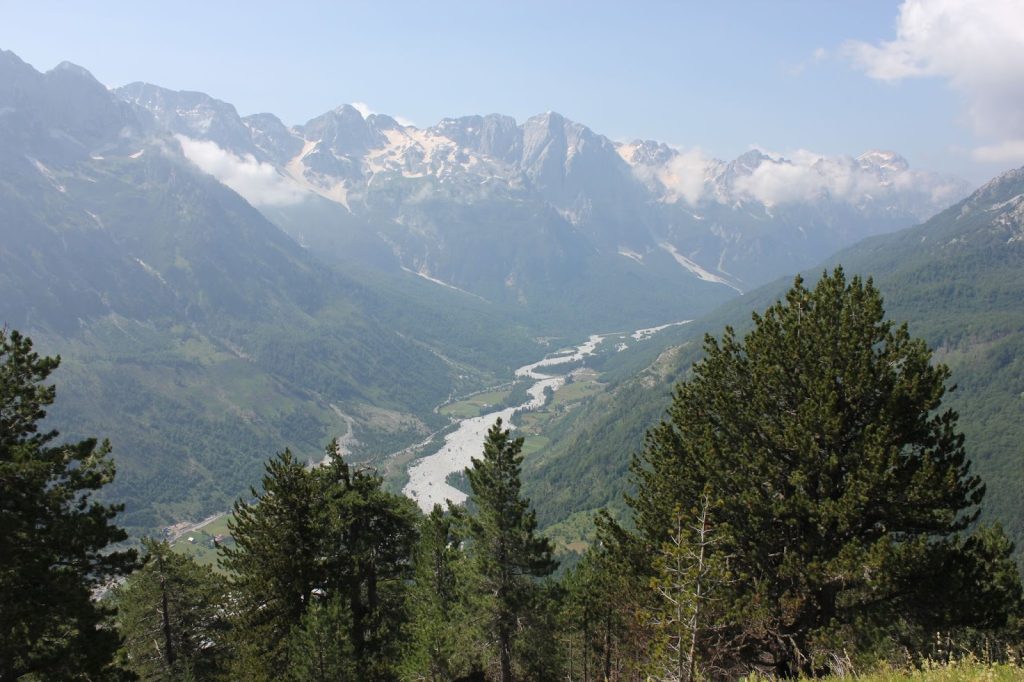
Theth
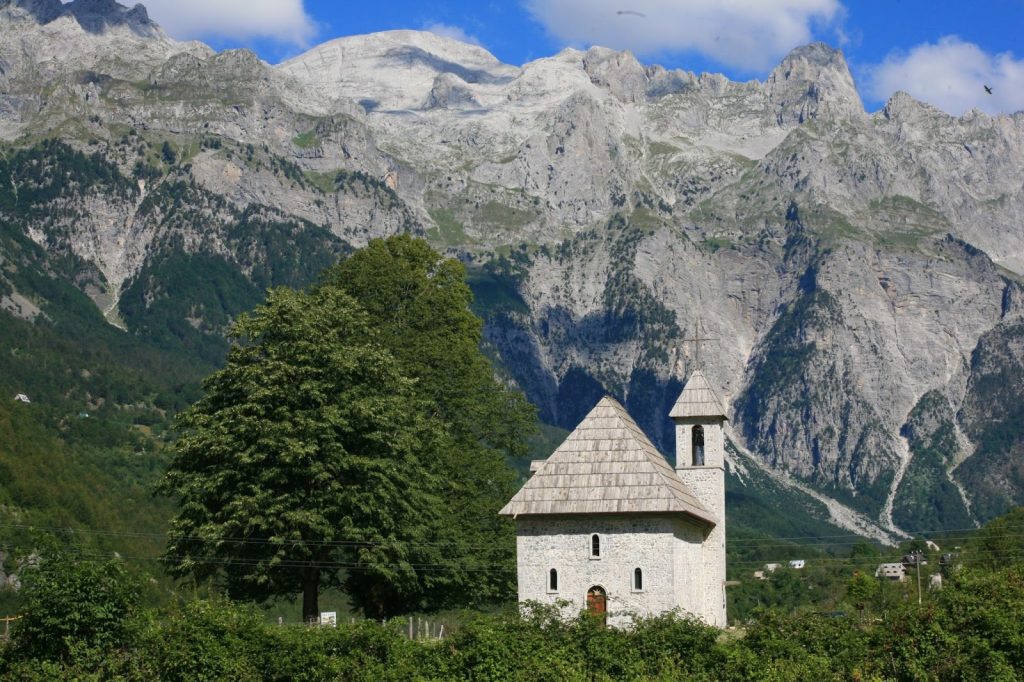
Theth National Park is probably the most famous name in Albanian hiking. The valley is framed by steep cliffs, with a small village, iconic stone church and a river carving its way through.
Theth is great for:
- The Valbona–Theth trail (if you walk in either direction)
- Day hikes to Grunas Waterfall, Theth Church and the Blue Eye spring
- Longer routes towards peaks, caves and glacial lakes
- A bit more comfort: more guesthouses, restaurants and small shops compared to Valbona
Theth is essential for travellers seeking family hiking in Albania, beginner-friendly scenic trails, and iconic views of alpine scenery Albania.
For a detailed overview of routes, difficulty levels, and preparation tips, you can read our full guide to Hiking the Valbona–Theth Trail in Theth Albania: Hiking Guide to Theth National Park & Alps, which explains why the Theth to Valbona hike is considered one of the best hikes in Theth and a highlight of trekking in Albania.
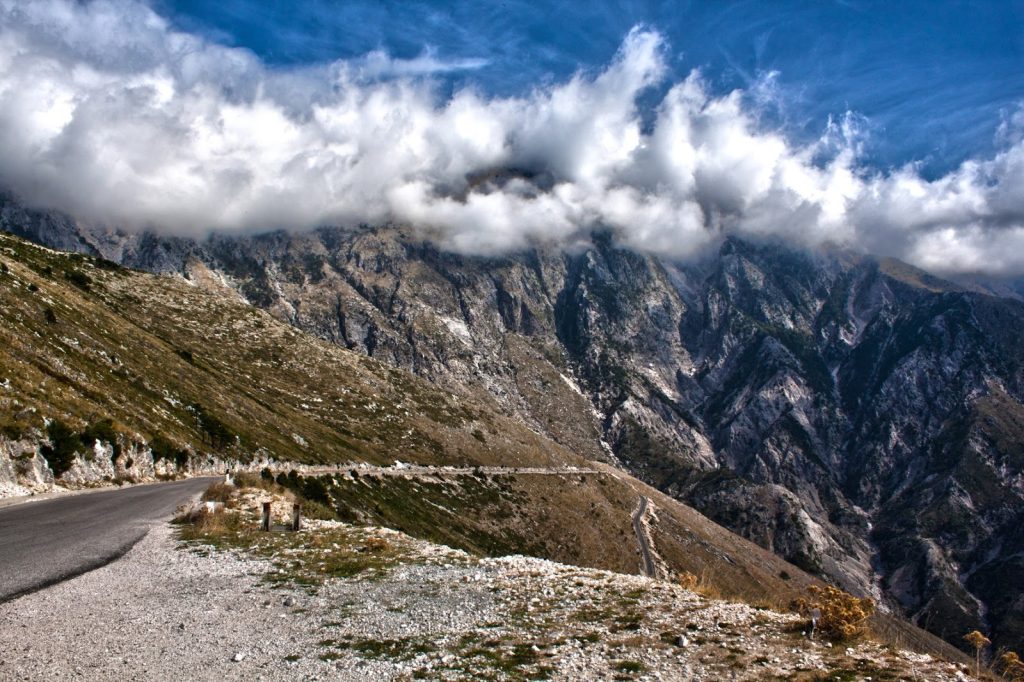
Llogara Pass
High above the Riviera, coastal hikes in Albania around Llogara Pass offer unique mountain-meets-sea scenery.
The area around Llogara National Park offers:
- Forest trails with sea views
- Short hikes to viewpoints above the pass
- Routes that connect down towards beaches like Gjipe
This region is ideal for travellers searching for easy hikes in Albania, scenic viewpoints, and mixed itineraries combining beach time with trekking.
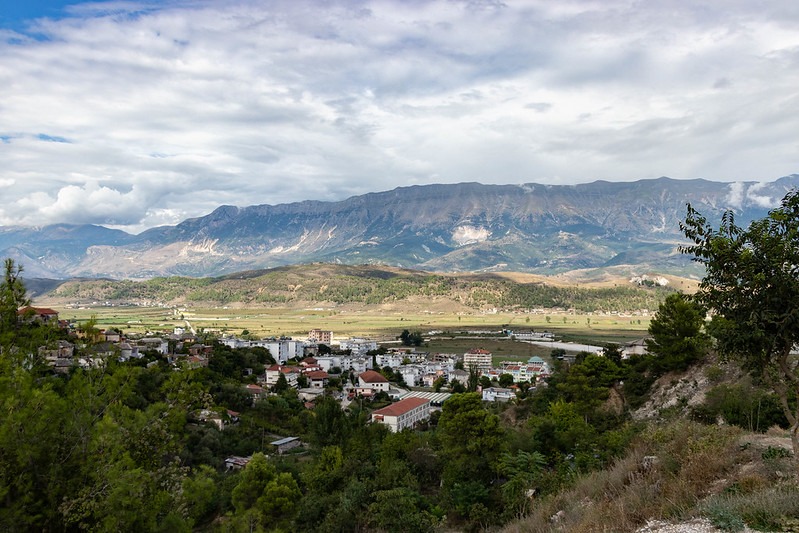
Gjirokastër Mountains
Around the UNESCO-listed stone city of Gjirokastër, hills and mountains rise quickly from the valley, making this one of the best areas for easy hikes in Albania and culture-rich walks. This region blends softer terrain with history, ideal for beginners and families interested in scenic hikes in Albania rather than steep alpine climbs.
Hikers can:
- Walk between villages in the nearby Zagoria Valley
- Explore trails towards Antigonea National Park
- Enjoy softer, rolling landscapes mixed with deep valleys and rivers
The Gjirokastër area is perfect for family hiking in Albania, slow adventure travellers, and anyone wanting gentle routes with strong cultural character and enjoying hidden hiking spots in Albania.
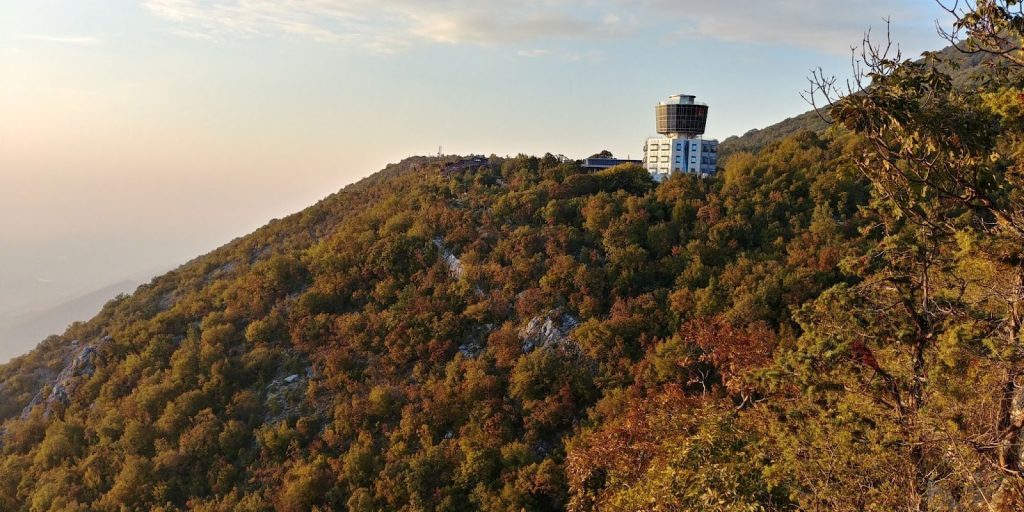
Dajti National Park
Just outside the capital Tirana, Dajti Mountain is the city’s outdoor playground and one of the most accessible places for beginner hiking in Albania.
Dajti offers:
- Easy access via road or cable car
- Half‑day hikes to viewpoints over Tirana and the Adriatic
- Forested slopes that are great for new hikers or people with limited time
Dajti is a top option for hiking tours in Albania that require minimal planning, and it serves as a great introductory trail for beginners.
Prespa Region
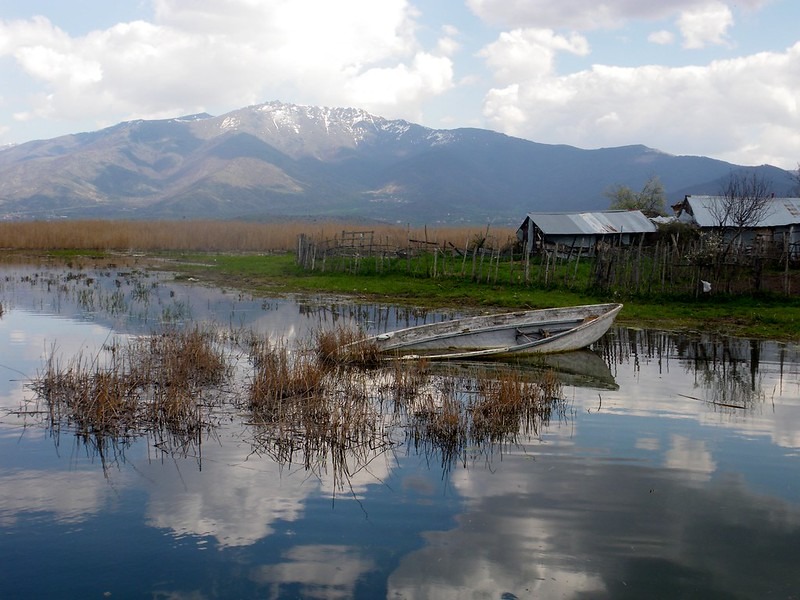
The Prespa lakes sit where Albania meets North Macedonia and Greece. The Albanian side is quieter than the other two countries and feels remot perfect for travellers looking for long, calm walks and relaxed eco-tourism in Albania.
This region is good for:
- Gentle lakeside walks
- Birdwatching
- Village‑to‑village routes across open hills
Prespa is also ideal for nature adventures in Albania, especially for hikers wanting a mix of scenery, birds, lakes and quiet landscapes and easy hikes in Albania.
Korçë Highlands
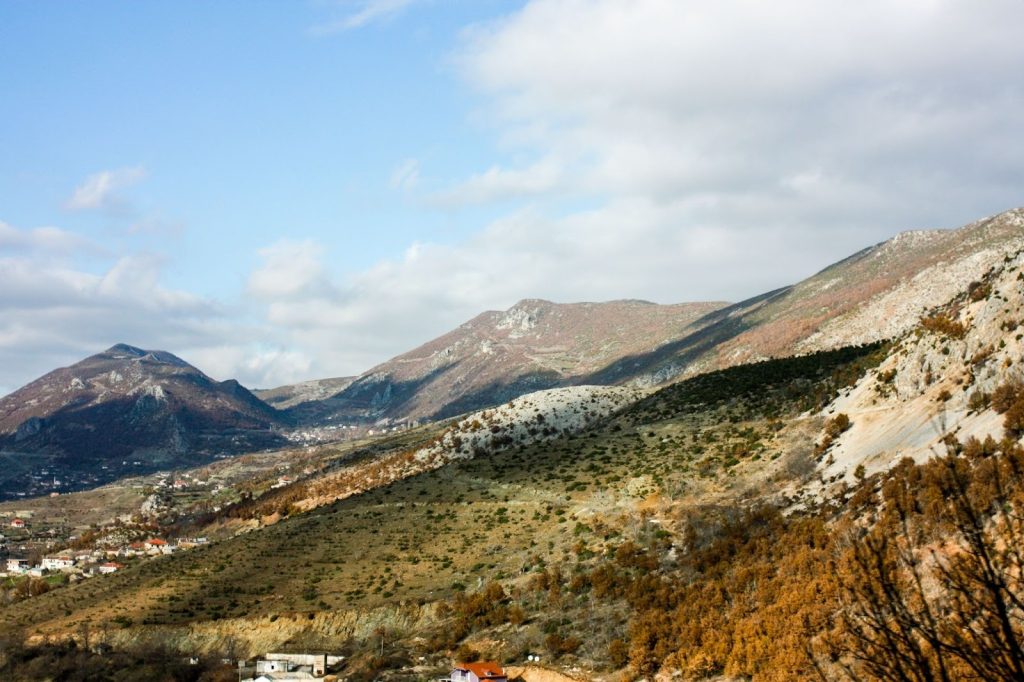
Around the city of Korçë, you will find rolling highlands and mountains such as Morava excellent for family-friendly hiking and moderate trekking routes.
Expect:
- Open meadows and wide views rather than sharp rocky peaks
- Rural villages, churches and simple farms
- Colder winters and fresh summers
Korçë is often called the “little Paris” of Albania because of its cafés and atmosphere. It is a comfortable base for day hikes and for exploring the softer side of hiking in Albania. One of the best regions for Albania hiking routes for beginners!
Coastal Trails
Albania’s Ionian and Adriatic coasts are not only about lying on the beach.
Coastal hiking highlights:
- Clifftop walks above the Albanian Riviera
- Trails between villages like Himara, Jalë, Dhermi and Lukova
- Short hikes down to hidden coves and beaches
In spring and autumn, when it is not too hot, these coastal routes are some of the most pleasant hikes in the country.
Berat Hills
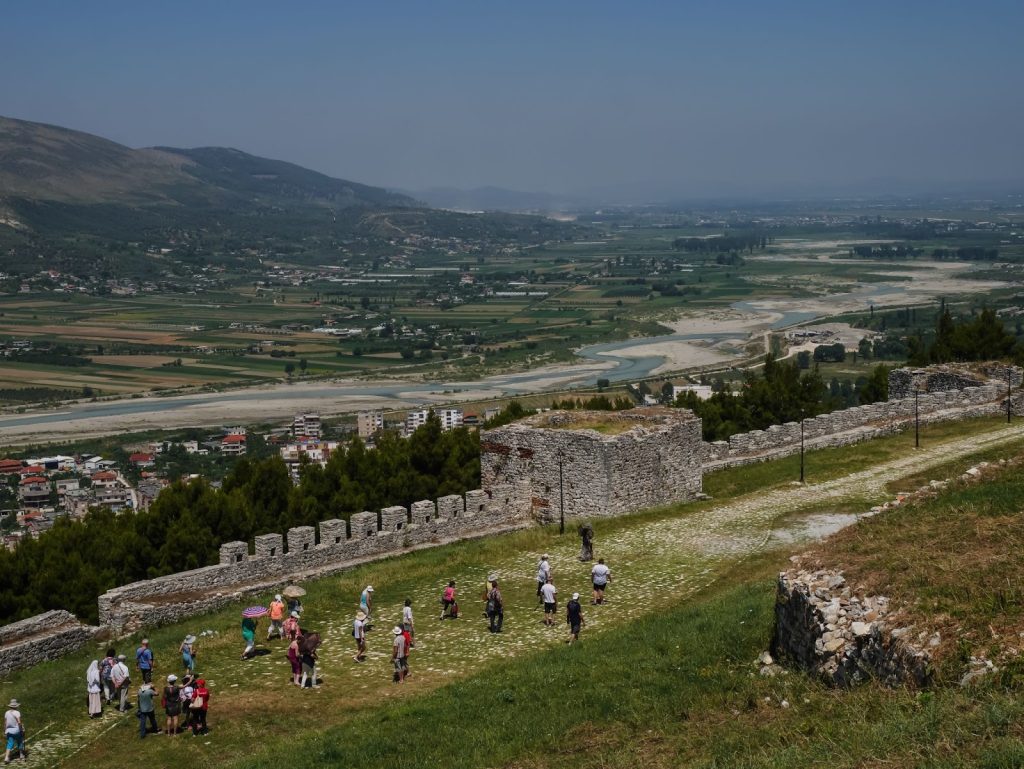
The city of Berat, another UNESCO site, sits between hills and rivers, ideal for cultural travelers seeking relaxed hiking trips in Albania.
From here you can:
- Walk up to viewpoints over the city and castle
- Hike further into the hills and surrounding countryside
Berat is one of the easiest places for beginner hikers, with scenic routes that combine culture, villages and rolling countryside.
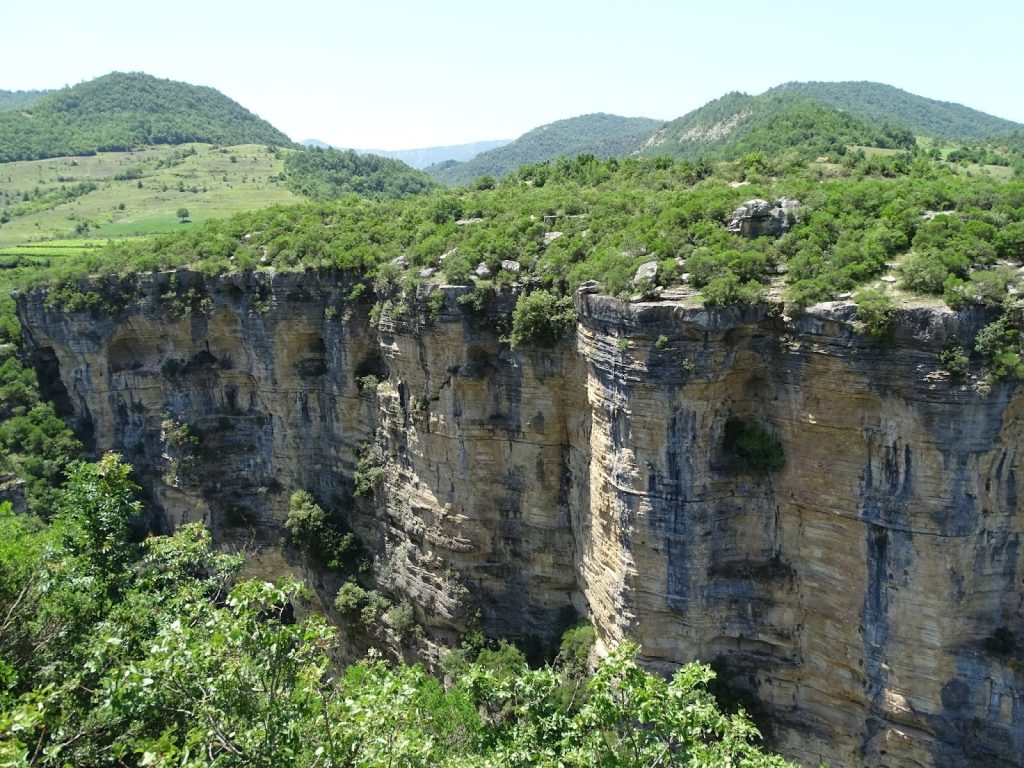
Osumi Canyon
The Osumi Canyon near Berat and Çorovodë is one of Albania’s most striking natural features and a favourite for hiking tours in Albania.
Here you can:
- Hike along the canyon rim for huge views
- Drop down to riverside sections in some seasons
- Combine hiking with rafting when conditions allow
Osumi Canyon is ideal for hikers looking for scenic hikes in Albania, canyon adventures, and Instagram-worthy landscapes.
Tomorr Mountain
Mount Tomorr (Mali i Tomorrit) is both a national park and a sacred mountain, especially important for local religious traditions. It is one of the best places for long-distance hiking in Albania and spiritual trekking.
For hikers, Tomorr offers:
- Tough summit routes with big elevation gain
- Wide views across central Albania on clear days
- A mix of natural and spiritual atmosphere
These regions together form the backbone of hiking in Albania, offering everything from easy hiking routes, family-friendly walks, and coastal trails, to challenging long-distance trekking across mountain passes.
Famous Hiking Trails in Albania
Albania has many routes, but a few have become classics. These trails are perfect to highlight in your content because they rank among the best hiking trails in Albania and attract high search interest from travellers planning multi-day hiking in Albania or short scenic routes.
Valbona to Theth Trail
The Valbona–Theth trail is the star of Albanian Alps hiking and one of the most recognised routes in the entire Balkans.
Key facts:
- Distance: around 17 km (10.5 miles), depending on start and end points
- Time: 6–9 hours for most walkers
- Difficulty: moderate – no climbing skills needed, but a full day of walking
Route overview:
- Starts on a wide, usually dry riverbed near Valbona, which you can partly skip by 4×4 taxi
- Climbs on a clear dirt path and then steeper mountain trails through the forest
- Reaches Valbona Pass, with unbelievable views over Valbona Valley and the surrounding peaks
- Descends on the Theth side through shady old forest all the way to the village
Why it is famous:
- It connects two national parks with no road between them
- It is a perfect introduction to the Albanian Alps and one of the best-known long-distance hikes in Albania
- There are cafés and water stops on the way in high season, but it still feels wild
The Valbona to Theth hike is ideal for beginners stepping into multi-day trekking, families with older children, and travellers seeking truly iconic hiking tours in Albania.
Koman Lake – Fierza – Valbona Approach
Technically not a hike, but the journey from Shkodra → Koman Lake → Fierza → Valbona is part of the classic Albanian Alps hiking experience.
- Shuttles or minibuses take you from Shkodra to Koman
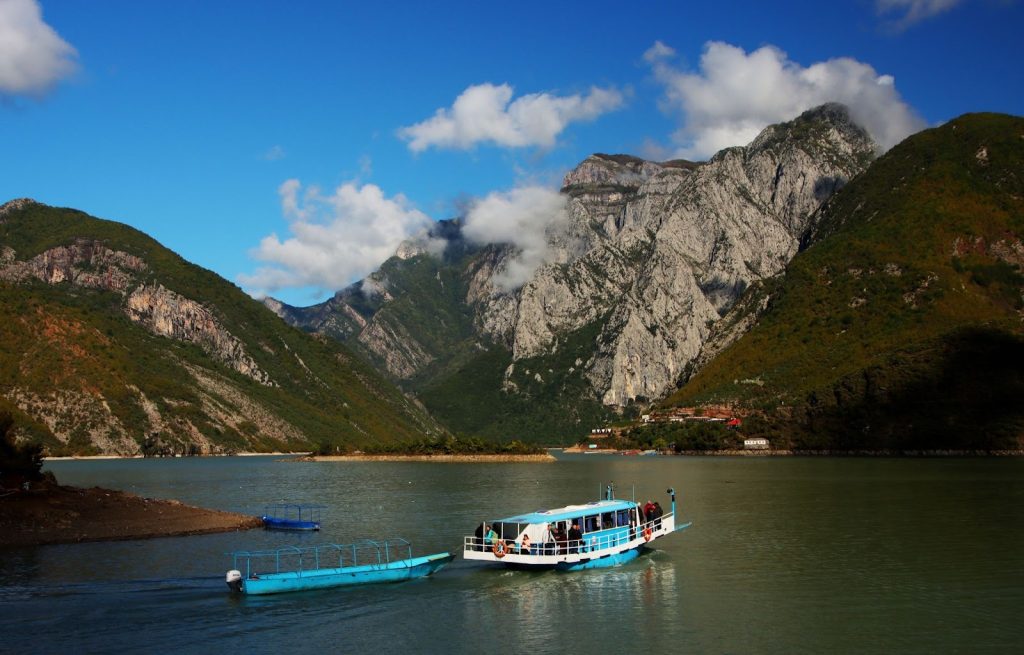
- A ferry sails through a long, narrow canyon on Koman Lake, a reservoir on the Drin River
- Another minibus continues from Fierza to Valbona
The ferry ride itself is a highlight and gives you a taste of the mountains before you even start walking. Perfect for travellers planning multi-day hiking in Albania.
Maja e Rosit (Rosi Peak Area)
Near Valbona, a popular trail leads to a saddle on the Montenegro–Albania border, at the base of Maja e Rosit (Rosi Peak).
- Out‑and‑back distance: roughly 17–18 km
- Elevation gain: about 1,280 m (4,200 ft) to the saddle
- Extra climb to the peak adds around 400 m (1,300 ft)
This is often described as one of the most beautiful hikes in the country, with long views into both Albania and Montenegro. It is considered one of the easier peaks in the Valbona area in technical terms, but still a full day out.
Maja e Rosit is perfect for hikers searching for scenic hikes in Albania, challenging but manageable summit experiences, and routes that blend natural beauty with a sense of adventure.
Theth Church, Grunas Waterfall and Blue Eye of Theth
From Theth village, you can link several sights into one hike:
- Theth Church – the classic postcard view of the valley
- Grunas (Grunasi) Waterfall – a tall waterfall in a narrow gorge
- Blue Eye of Theth – a deep, turquoise spring pool fed by mountain water
Walking all the way to the Blue Eye and back is around 17 km and can take 6 hours or more, though the terrain is mostly gentle.
Shorter option:
- Visit only the church and Grunas waterfall (about 3 hours return from the village)
Coastal and Canyon Trails
Other famous routes that appear often in traveller searches and videos include:
- Gjipe Beach hike – a walk through a dry canyon down to a hidden beach
- Osumi Canyon rim trail – viewpoints and short routes along the canyon top
- Short ridge and viewpoint trails near Llogara Pass
These are great additions for people who want both mountains and sea in one holiday.
Hiking in Albania vs Other European Destinations
Many people compare hiking in Albania to the Alps or Dolomites, and for good reason. The mountains are big, the valleys are deep, and the scenery is dramatic.
But there are some clear differences that make Albania stand out.
Less Crowded
In July and August, the Valbona–Theth trail can get busy, but even then Albania feels much quieter than most Alpine hotspots.
- You can still find solitude by choosing less famous routes or travelling in June or September.
- Outside the main two or three classic trails, you may see more goats than hikers.
More Affordable
In general:
- Guesthouse stays including dinner and breakfast are often cheaper than basic hotels in Switzerland or Italy.
- Public transport, local minibuses and shared taxis cost less than trains and cable cars in the Alps.
- Eating out in mountain villages is usually easy on the budget.
This affordability makes Albania especially attractive for backpacking, long-distance hiking, and budget hiking holidays in Albania.
More Wild
Trails can be rocky, unmarked or irregular, part of the raw charm of nature adventures in Albania.
Expect river crossings, stony paths and grazing animals.
- Trails can be rough and stony rather than perfectly groomed.
- Waymarking is improving but is not always perfect.
- You may need to cross streams, walk on riverbeds or pass grazing animals.
For some hikers, this “raw” feeling is exactly the charm.
Less Commercial
In comparison with larger Alpine resorts:
- There are fewer ski lifts, gift shops and big hotels.
- Nightlife is limited, and there are no giant après‑ski bars.
- You are more likely to drink homemade raki in someone’s kitchen than a branded cocktail in a club.
The focus is on nature and simple hospitality, not shopping.
More Authentic
Albania gives you a slice of life that has not yet been smoothed for mass tourism.
- You see how people farm, cook and live in the mountains.
- Many guesthouses are still family homes opened to visitors.
- Conversations with locals often become your favourite memories of the trip.
For travellers comparing destinations, Albania stands out as one of Europe’s best places for scenic hikes, eco-tourism, and culturally rich trekking far from overcrowded resorts.
Beginner, Intermediate & Expert Hikes in Albania
Albania has routes for every level, from easy hikes for beginners to intense technical alpine hikes.
Beginner Walks
Good for: new hikers, families, people who just want a scenic walk.
Examples:
- Around Theth village to the church and short viewpoints
- Lakeside walks in the Prespa and Shkodra regions
- Gentle paths near Dajti Mountain upper station
- Short trails to viewpoints above Llogara Pass
- Countryside walks around Berat and Gjirokastër
These routes are usually under 3–4 hours with limited elevation. Ideal for family hiking in Albania or those starting out.
Moderate Routes
Good for: people with basic fitness who are comfortable walking most of the day.
Examples:
- Full Theth–Grunas waterfall–Blue Eye day hike
- Valbona–Theth in good weather
- Day hikes on marked trails in Valbona Valley without summiting peaks
- Longer coastal routes linking several Riviera villages
Expect 5–8 hours of walking, noticeable ups and downs, and mixed surfaces (rock, mud, forest paths).
Technical Alpine Hikes
Good for: experienced hikers only.
Examples:
- Summit attempts on Maja e Rosit, Maja Jezercë or other high peaks in the Albanian Alps
- Off‑trail ridge walks or unmarked routes
- Winter hikes in snow conditions
These can involve:
- Very steep slopes
- Loose rock and short scrambles
- Exposure to sudden weather changes
These involve steep slopes, loose rock, exposure, and rapidly changing weather. For this level, local knowledge or a guide is strongly recommended.
These routes are ideal for adventure seekers planning long-distance hiking in Albania, guided summit attempts, or advanced alpine challenges.
Hidden Hikes Most Tourists Never Discover
Beyond the well‑known classics, Albania is full of routes that do not yet have famous names or Instagram spots. These hidden hiking spots in Albania are perfect for travellers seeking quiet, authentic nature adventures far from the crowds.
Local Routes
In many villages, paths connect fields, pastures and small chapels. offering some of the best easy hikes in Albania that still feel wild and local.
- Ask at your guesthouse or the local café for “a nice walk for a few hours”.
- Often you will be shown a circular route with great views that never appears on Google Maps.
These local routes give a more intimate look at everyday life.
Unmarked Trails
Some of the most beautiful viewpoints are on unmarked or lightly marked paths used by shepherds.
- You may see faint tracks along ridges or through meadows.
- If you follow them, always take a GPS app, check weather and be ready to turn back.
Never treat these as simple tourist paths; they can quickly become confusing without experience.
Village‑to‑Village Walks
In areas like Zagoria Valley, Korçë Highlands or smaller valleys of the north, you can walk from one village to another instead of taking the road.
This kind of hiking:
- Is usually not very steep
- Gives great opportunities for homestays
- Lets you see how people live away from main tourist spots
If you are creating content, these hidden hikes are a great way to stand out from other websites.
Hidden hikes are perfect for travellers seeking eco-tourism in Albania, off-the-map routes, and quieter alternatives to the classic Valbona–Theth trail.
Cultural Experiences You’ll Find While Hiking
Hiking in Albania is not only about mountains, it is also deeply cultural, making it one of the most meaningful hiking destinations in the Balkans.
Shepherd Life
You will often see shepherds with their sheep, goats or cows on the slopes.
- Dogs guarding the animals may bark loudly – this is normal, but keep your distance.
- Sometimes the shepherd will wave, smile or come for a short chat, even with limited shared language.
Stone Villages
Many mountain villages have stone houses, narrow paths and small churches.
- Villages can feel half‑empty in winter when people move to towns.
- In summer, life returns, and you hear animals, tractors and children again.
Walking through these villages feels like stepping into another time.
Guesthouses
Traditional guesthouses are often family homes.
- Rooms are simple but comfortable.
- You usually eat whatever the family cooks that day.
- Breakfasts and dinners are hearty, with lots of bread, cheese, vegetables and meat.
Staying in guesthouses is one of the best ways to support local communities directly.
Traditional Meals
Expect dishes such as:
- Byrek – savoury pastry with cheese, spinach or meat
- Soups made from beans or vegetables
- Grilled meat and local cheese
- Homemade jams, honey and pickles
And of course, someone will probably offer you raki, the local strong spirit.
Local Hospitality
Albanians are known for their hospitality.
- It is common to be offered coffee, fruit or homemade snacks.
- People may help you find accommodation or a bus without asking for anything in return.
Always say thank you and show respect; a few words in Albanian go a long way.
History of Mountain Tribes
The northern mountains have a long history of clans and traditional codes of honour.
- Some guesthouses or local guides will share stories about this past.
- You may also notice old defensive towers and isolated houses in strategic positions.
Mentioning these details in your content helps readers feel the depth of the region beyond the scenery.
Wildlife & Nature You May See on Albanian Trails
Albania’s nature is rich and, in many places, still recovering from years of isolation and limited development.
Making it perfect for wildlife enthusiasts, photographers, and hikers wanting scenic hikes in Albania.
Bears and Other Mammals
Brown bears live in the Albanian mountains, along with wolves, foxes and other wild animals.
- Encounters with hikers are rare; animals usually avoid people.
- Keep food stored safely and do not leave rubbish around.
Eagles and Birds
Eagles are a national symbol of Albania, and you may see them gliding above the valleys.
- Vultures and other birds of prey also live in remote areas.
- Lakes and wetlands host many migratory birds, especially around Prespa and Shkodra Lake.
Rivers and Streams
Clean, cold rivers run through many valleys.
- In summer, you can often refill water bottles from springs (always check with locals first).
- Canyons and gorges are common, especially in the south.
Alpine Flowers
In spring and early summer, slopes are covered in flowers.
- Alpine meadows can turn purple, yellow and white with wild plants.
- Avoid picking flowers; leave them for others to enjoy.
Forest Types
You will walk through:
- Dense beech and oak forests in mid‑altitude zones
- Pine forests higher up
- Low shrubs and alpine grass near the peaks
These forests offer shade, which is a blessing on hot days.
Lakes
From big lakes like Shkodra and Prespa to small mountain tarns, water is a constant presence.
- Some high lakes are accessed only by long hikes and feel extremely remote.
- Lakes attract wildlife, so they are good places for nature lovers and photographers.
For content aimed at wildlife travellers or photographers, emphasise these natural riches and the chance to see wild Europe that still feels wild.
Responsible Hiking & Protecting Albania’s Nature
As Albania becomes more popular for hiking and trekking, responsible behaviour is key to keeping the mountains beautiful.
Leave No Trace
Basic rules:
- Pack out all rubbish, including tissues and food waste.
- Stay on established paths where possible to avoid erosion.
- Do not disturb wildlife or remove plants.
Village Respect
Remember that villages are not theme parks – people live and work there.
- Do not photograph people or private homes without asking.
- Close gates behind you if you pass through farmland.
- Keep noise down at night.
Sacred Sites
Some peaks, springs or trees have religious or cultural importance.
- Dress modestly if visiting churches or shrines.
- Do not climb on or damage monuments.
Waste Rules
In many mountain areas, there is no formal rubbish collection.
- That plastic bottle you leave might still be there in ten years.
- Burning plastic is common but harmful; avoid giving locals more to burn.
The simplest solution: take your waste back to the nearest town with proper bins.
Cultural Sensitivity
Albania is changing quickly, but many areas remain conservative.
- Swimwear is fine at wild swimming spots, but cover up when walking through villages.
- Public displays of affection are accepted in some places and frowned on in others – read the room.
Responsible hiking is essential for preserving Albania’s trails, supporting eco-tourism, and protecting the natural beauty that makes hiking in Albania so special.
Internet, Signal, and Emergency Access in the Mountains
You will not have full bars of 4G everywhere – and that is part of the charm. Still, it is good to understand the basics.
SIM Info
For most visitors, buying a local SIM card is the easiest way to stay connected.
- Major cities like Tirana and Shkodra have mobile shops.
- Prepaid packages with data are usually affordable.
- Having local data helps with maps, translation and contacting your guesthouses.
- Offline Maps
- Signal can drop completely in deep valleys and on remote passes.
- Download offline maps for your route before you go.
- Apps like Maps.me or other hiking apps allow you to save trails and waypoints.
- Never rely on mobile signal alone for navigation.
Emergency Numbers in Albania
The general emergency number in Albania is 112. In remote areas, reaching help may still take time. Inform your accommodation of your planned route and expected return time, especially for long hikes.
Areas with No Signal in Albania
Expect limited or no signal:
- Deep inside the Albanian Alps
- In some canyons and narrow valleys
- On long remote village‑to‑village hikes
- Plan your communication around this: send messages and check forecasts when you are in villages or on higher ground.
How to Prepare
- Tell someone where you are going and when you plan to be back.
- Carry a power bank for your phone.
- Take a paper map or printed route notes as backup if you are going off the main trails.
When to Go Hiking in Albania
You can hike in Albania for much of the year, but conditions change a lot with the seasons. Understanding the hiking season in Albania helps you plan the best trails, from coastal routes to high-mountain treks.
Spring (April–June)
- Lower hills and coastal areas become green and full of flowers, making this one of the best times for coastal hikes in Albania and easy village walks.
- Snow can still block high passes in April and sometimes May.
- Rivers and waterfalls are strong from snowmelt.
Spring is perfect for:
- Coastal and canyon hikes
- Lower‑altitude village walks
Summer (July–August)
- Most high-mountain routes in the Albanian Alps are clear of snow.
- Days are long, but can be very hot, especially in the south.
- Valbona–Theth and popular sights can become crowded.
In summer:
- Start early in the morning to avoid heat and afternoon storms.
- Carry plenty of water.
Autumn (September–October)
- Temperatures drop to a more comfortable level, ideal for scenic hikes in Albania.
- Forests turn colourful with autumn leaves.
- Crowds thin out, but many guesthouses are still open.
This is one of the best times for hiking in Albania overall, especially for multi-day trekking.
Winter (November–March)
- Snow falls in the mountains and often blocks high trails.
- Some villages become very quiet or semi‑closed for tourism.
The ideal hiking season in Albania depends on your goals: spring for flowers and coastal walks, summer for high-altitude routes, autumn for fewer crowds, and winter for expert-only adventures.
What to Pack
Your packing list will vary depending on the season, but these basics are useful for most people hiking in Albania, whether doing day hikes or multi-day hiking in the Albanian Alps.
Clothing
- Comfortable hiking boots or shoes with good grip
- Quick‑drying hiking trousers or leggings
- Base layers (t‑shirts, long sleeves)
- Warm layer (fleece or light down jacket)
- Waterproof jacket (essential – storms can arrive fast)
- Hat and gloves for higher altitudes, even in summer
- Sun hat and sunglasses
Gear
- Daypack with rain cover
- Reusable water bottle or hydration system
- Trekking poles (very helpful on steep descents)
- Headtorch (in case a hike takes longer than planned)
- Phone with offline maps + power bank
- Small first‑aid kit (plasters, painkillers, blister care)
- Dry bags or plastic bags to keep clothes and electronics dry
Extras
- Swimsuit and small towel for rivers and springs
- Snacks (nuts, chocolate, dried fruit)
- Cash in lek – card payment is not always possible in villages
- Light sleeping clothes and earplugs for guesthouses
If you are planning multi‑day hut‑to‑hut routes, add:
- Lightweight sleeping bag liner (some guesthouses provide full bedding, but not all)
- Extra warm layer for cold nights
Hiking Safety Tips for Albania
Hiking in Albania is generally safe if you plan well and respect the environment. These hiking safety tips for Albania help reduce risk across all trail types.
Weather Awareness
- Check forecasts before you start a long hike.
- Afternoon thunderstorms are common in summer, especially in the mountains.
- If clouds build quickly and thunder starts, avoid exposed ridges and high points.
Navigation
- Stick to marked routes if you are not experienced with wild navigation.
- Use GPS apps but also look at the terrain – do not blindly follow a blue line on a screen.
Dogs and Animals
- Shepherd dogs may bark to protect their flocks.
- Slow down, give space and do not run.
- Avoid walking directly through the middle of a flock if possible.
Water and Food
- Carry enough water for the whole day, especially on hot coastal or canyon hikes.
- Do not assume every marked spring is clean – ask locals when in doubt.
- Take extra snacks in case your hike takes longer than expected.
Solo Hiking
- Many people happily hike solo in Albania.
- Tell your guesthouse or a friend where you are going.
- For remote or technical routes, consider joining others or hiring a guide.
Emergency Planning
- Know the emergency number (112).
- In remote valleys, help can take time, so try to avoid risky behaviour.
Transport & Access
Reaching trailheads in Albania can be part of the adventure, especially when exploring the Albanian Alps, coastal paths or remote villages. Understanding transport options is key for planning hiking tours in Albania.
Cities as Bases
Common base cities include:
- Tirana: capital and main entry point
- Shkodra: gateway to the Albanian Alps
- Berat, Gjirokastër, Korçë: good bases for regional hikes
Public Transport
- Minibuses and shared vans (furgons) connect many towns and villages.
- Departures are often early in the morning and may not run late in the day.
For example, buses from Theth to Shkodra typically leave in the morning or early afternoon, so it is wise to check times locally at your guesthouse or village shop.
Organised Transfers
In popular areas like the Albanian Alps, many guesthouses or hotels can:
- Arrange combined transport + ferry packages (e.g. Shkodra → Koman → Fierza → Valbona)
- Book you a spot on the Koman Lake ferry in high season
Driving
- Renting a car gives maximum flexibility.
- Some mountain roads are rough, narrow or unpaved; drive carefully.
- It is often better to leave the car in a city and use local transfers into the deepest valleys.
Walking Between Villages
In several regions, hiking itself is the main form of transport.
- You might hike from one valley to another and stay in a new guesthouse each night.
- Always confirm that your next guesth
- House is open and ready to receive you.
Accommodation for Hikers
Albania’s hiking regions offer various places to stay, from simple homestays to small hotels.
Guesthouses
Guesthouses are the heart of hiking accommodation in Albania.
- Often family‑run
- Usually include dinner and breakfast in the price
- Provide route advice, weather tips and sometimes packed lunches
Small Hotels and Inns
In larger villages or towns:
- You may find small hotels with private bathrooms and slightly more formal service.
- These can be useful at the start or end of multi‑day hikes.
Camping
- Wild camping rules are not always clear and can depend on local land use.
- In some villages, families may let you camp on their land for a small fee.
Always ask permission if you plan to camp near houses or farmland.
Booking
- In peak season (July–August), book ahead for popular areas like Theth and Valbona.
- Outside peak season, it is sometimes possible to just arrive and ask around, but do not count on it in very small villages.
Recommended Stays for Hikers
If you prefer comfort, privacy, and space after a long day of hiking, the following properties offer excellent bases near some of Albania’s most scenic regions.
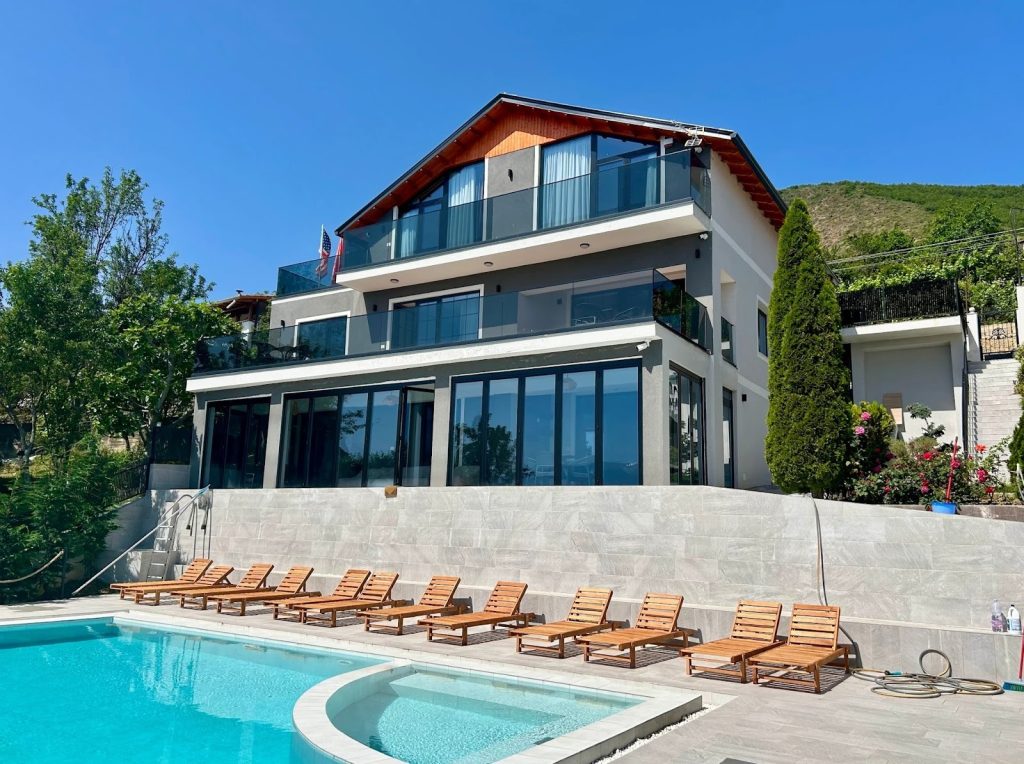
Bella Vista Rezidencë – Mëmëlisht, Pogradec
A superb choice for groups and families hiking around Lake Ohrid, Drilon National Park, or the trails of Pogradec.
This spacious three-storey private villa sleeps up to 12 guests and features:
– 5 bedrooms, 5.5 bathrooms
– A private swimming pool, large garden, and relaxing sitting areas
– Fully equipped kitchen and living room
– Free Wi-Fi and on-site parking for up to 4 cars
Ideal for hikers who want nature, privacy, and comfort in one place.
Discover Bella Vista – Book Now
Ishëm Greenview Apartments – Ishëm, Durrës
Perfect for hikers exploring Ishëm’s coastline, rolling hills, and quiet countryside routes.
Located in a peaceful green setting, this four-storey building offers:
– Free private driveway parking
– Free Wi-Fi
– Private garden
– Pet-friendly stays (up to 2 pets, with nightly charge)
Note: Access is by stairs only.
A calm retreat with beautiful views after long coastal hikes.
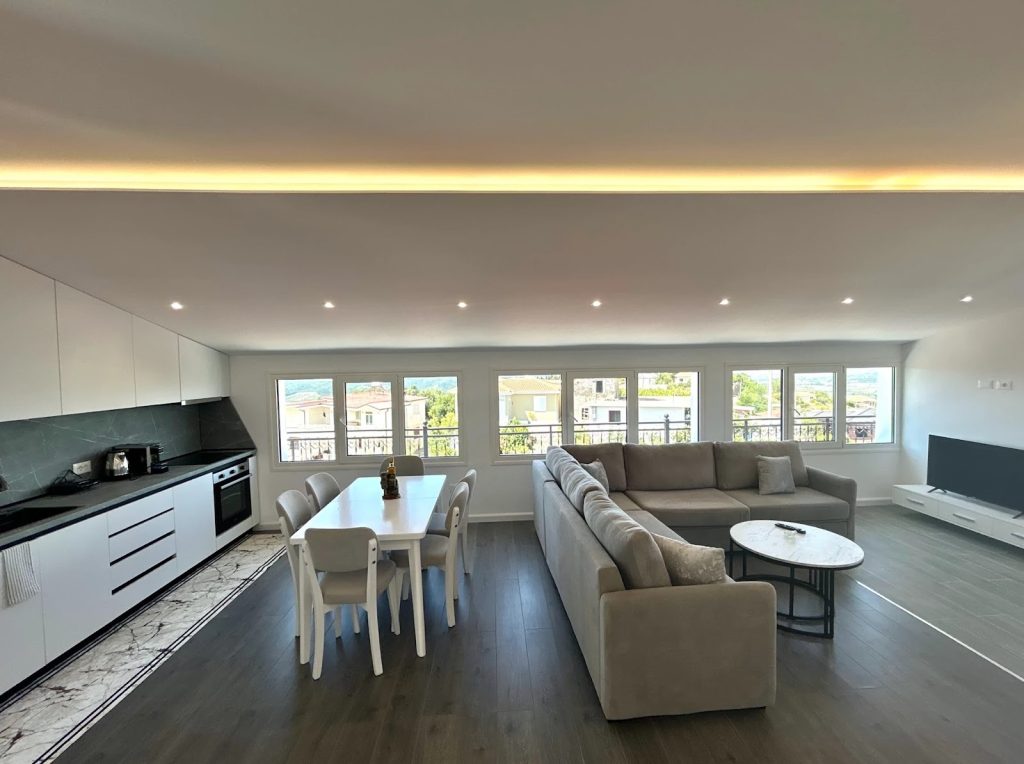
Explore Ishëm Greenview – Reserve Now
Lakeside View Apartment – Pogradec
Great for solo hikers, couples, or small groups planning lakeside walks or mountain trails around Pogradec.
This ground-floor apartment offers:
– 1 bedroom, 1 bathroom
– Sleeps up to 4 (king bed + double sofa bed)
– Free driveway parking
– Private garden with BBQ area and lake views
A cosy and scenic base steps away from nature.
Explore the Apartment – Book Now
Olive Hill Apartment – Tirana
Ideal for hikers who want to explore the trails around Dajti National Park while staying close to Tirana’s urban attractions.
This first-floor apartment includes:
– 2 bedrooms, 1.5 bathrooms
– Sleeps up to 6
– Beautiful city and mountain views
– A bright, thoughtfully designed interior
A peaceful urban retreat with easy access to hiking routes and city life.
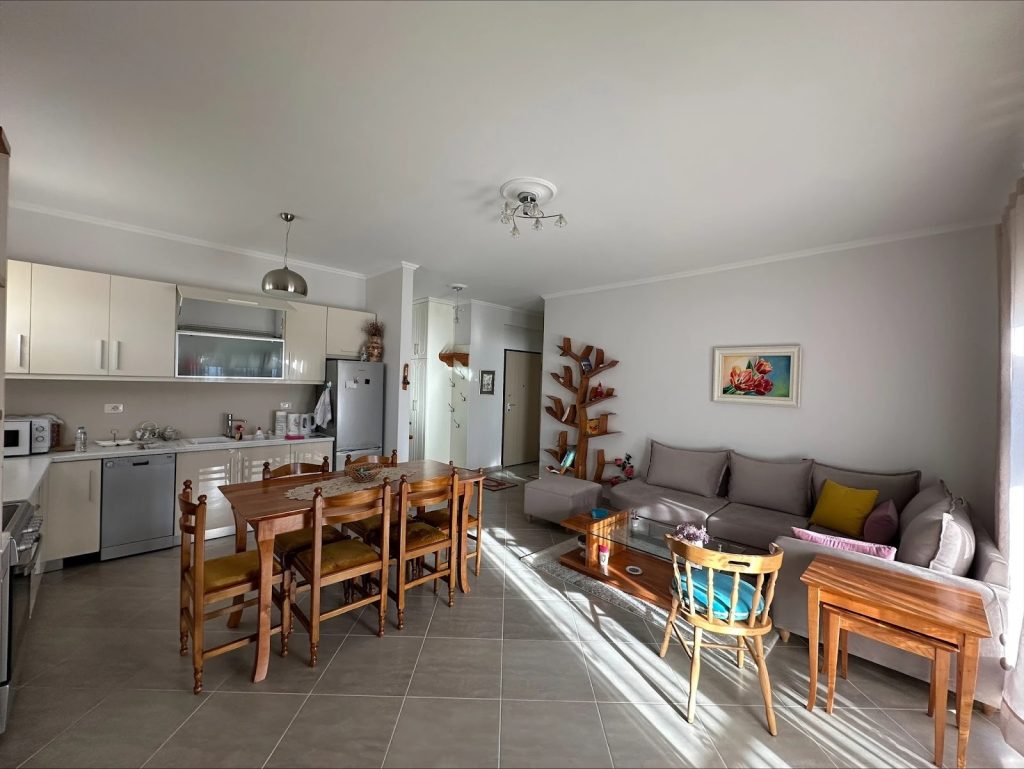
Explore Olive Hill – Reserve Today
The Stone Cavern – Radokal Poshtë, Pogradec
A charming duplex house surrounded by greenery, perfect for hikers exploring the hills and viewpoints around Pogradec.
Features include:
– 3 bedrooms, 1 bathroom (sleeps 6)
– Free private parking and Wi-Fi
– Private garden with BBQ and outdoor seating
– Pet-friendly (up to 2 pets allowed)
A natural, quiet escape that blends comfort with rustic charm.
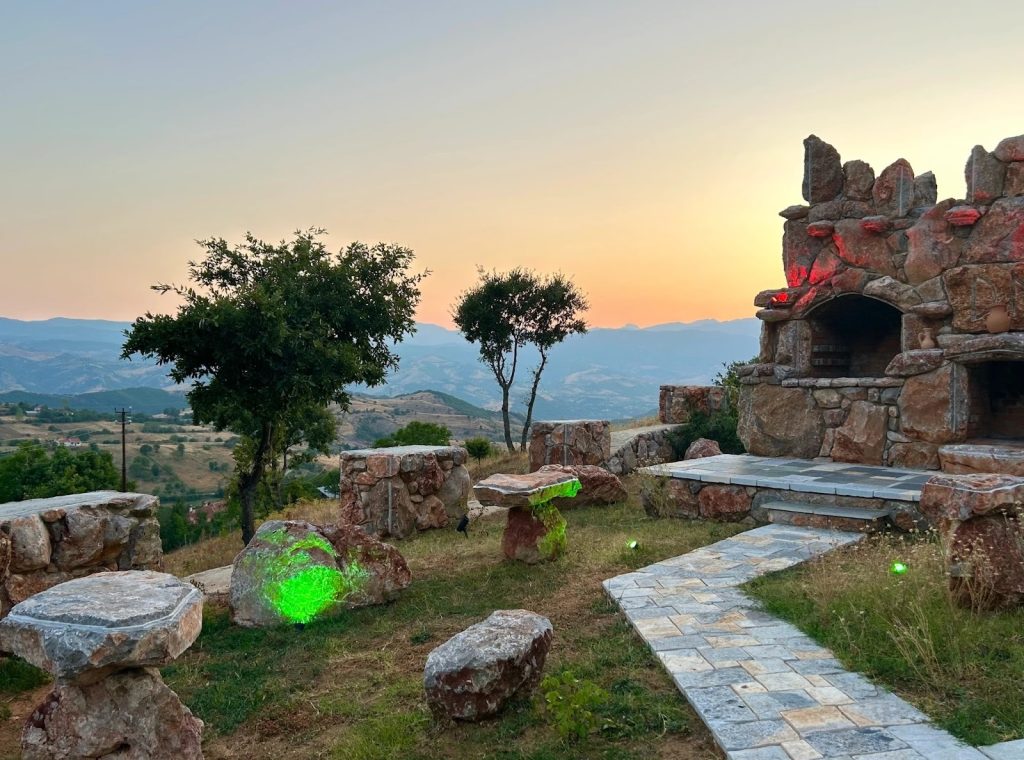
Explore The Stone Cavern – Book Now
Tirana City Rooms – Tirana (South Side)
A budget-friendly option for hikers visiting Dajti National Park or short urban hikes around the capital.
Guests can choose between King or Twin Rooms, each accommodating 2 people.
Amenities include:
– Shared kitchen and bathroom
– Free Wi-Fi
– Air conditioning
– Pet-friendly (up to 2 pets allowed, with charges)
Simple, comfortable rooms ideal for hikers planning short stays or city-based trails.
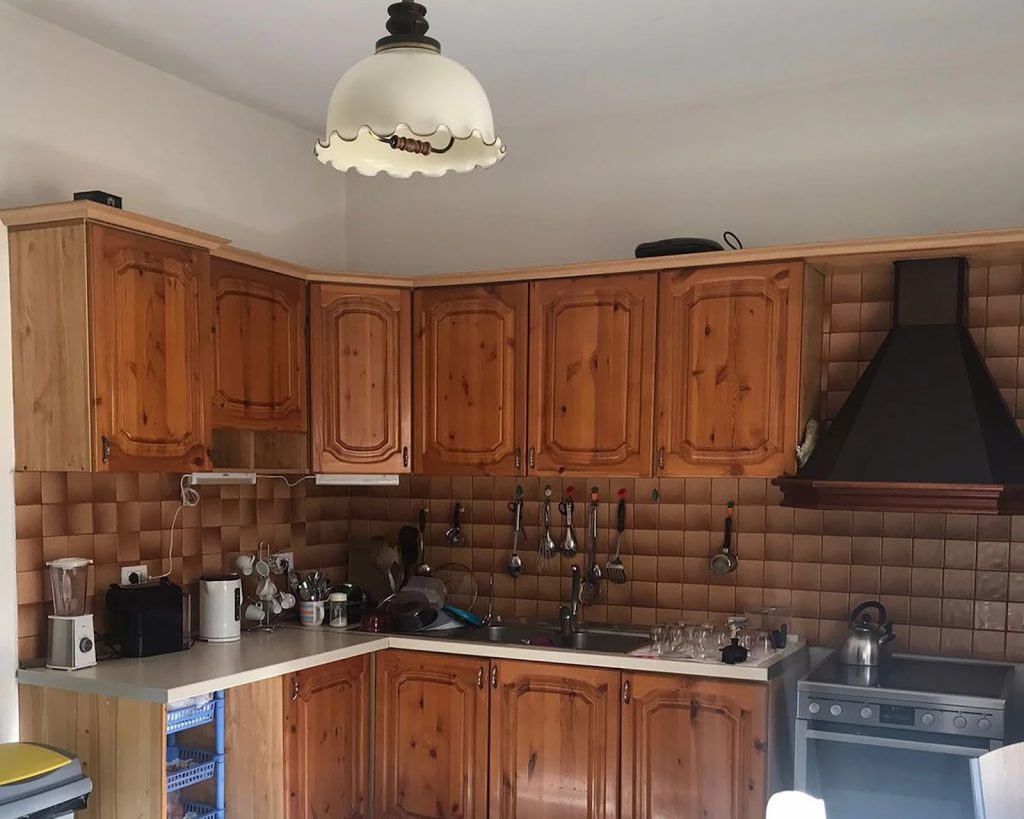
Reserve Your Room Today
Local Guides & Tours
While many hikes in Albania can be done independently, local guides add value and safety.
When a Guide is Helpful
- Technical peak ascents or off‑trail routes
- Winter or shoulder‑season conditions
- Multi‑day itineraries in very remote areas
- If you are new to mountain hiking and want extra support
Benefits of Hiring Locals
- Better understanding of culture and history
- Stories about the region that you will not find online
- Direct support for the local economy
You can usually arrange guides through:
- Guesthouses
- Local tourist information centres
- Reputable tour companies in Tirana, Shkodra or regional towns
Budget for Hiking Trips
Albania is generally friendly for mid‑range and budget travellers, but costs can vary.
Typical Daily Costs (Per Person)
Approximate ranges:
- Guesthouse (half‑board: dinner + breakfast): €20–45
- Lunch or packed lunch: €5–10
- Local bus or minibus journeys: €3–15, depending on distance
- Guided day hike: €30–80+ depending on route and group size
Ways to Save Money
- Travel in shoulder seasons when prices can be slightly lower
- Share transfers and guides with other hikers
- Eat at your guesthouse instead of separate restaurants
Things Worth Paying For
- Safe and reliable transfers to remote trailheads
- A good guesthouse with strong local knowledge
- A guide for routes that are long, exposed or confusing
Investing in safety and comfort will make your hiking trip far more enjoyable.
Final Thought
Hiking in Albania is still an adventure in the true sense: big landscapes, small villages, changing weather and warm human encounters. If you prepare well, respect the mountains and support local communities, you will not only have a great trip – you will also help keep this hidden hiking paradise special for the future.
FAQs
Good question types:
- Is hiking safe in Albania?
Yes, hiking in Albania is generally safe if you take normal mountain precautions. The main risks are weather changes, rough terrain and getting lost on unmarked routes. Crime against hikers in remote areas is very rare.
- Is Albania good for solo hikers?
Albania is suitable for solo hikers, especially on well‑known trails like Valbona–Theth and around Theth and Valbona villages. In very remote valleys, it is better to hike with others or hire a guide.
- Can you hike without a guide?
On popular marked trails and day hikes, many people hike without guides. However, for summit routes, winter hikes or unmarked village‑to‑village paths, a local guide is strongly recommended.
- Are trails marked?
Some trails, especially famous ones, are clearly marked with paint blazes or signs. Others have only occasional markings or are based on shepherd paths. Always research your route and carry offline maps.
- How difficult is Valbona–Theth?
The Valbona–Theth trail is considered moderate. It is not technical, but it is a long day with significant elevation gain and loss. Most reasonably fit people can complete it in 6–9 hours in good conditions.
- Do people speak English in villages?
In popular hiking villages like Theth and Valbona, many guesthouse owners and younger people speak some English. In more remote areas, English is less common, but you can usually communicate with simple words, gestures and a smile.